
Wangaratta: A Photo Essay
You could drive past Wangaratta your whole life and never guess at it. For a long time that’s exactly what people did – it was a Hume Highway town, a place to stop for petrol and a pie somewhere between Melbourne and the border. But this quiet town in north-east Victoria once held one of only three IBM personal-computer factories in the world. It bottled Coca-Cola for a quarter of a century. And it produced an Olympic gold medallist. There is more to Wangaratta than the highway stops might have let on (though there is a road-side sign about the cycling feats).
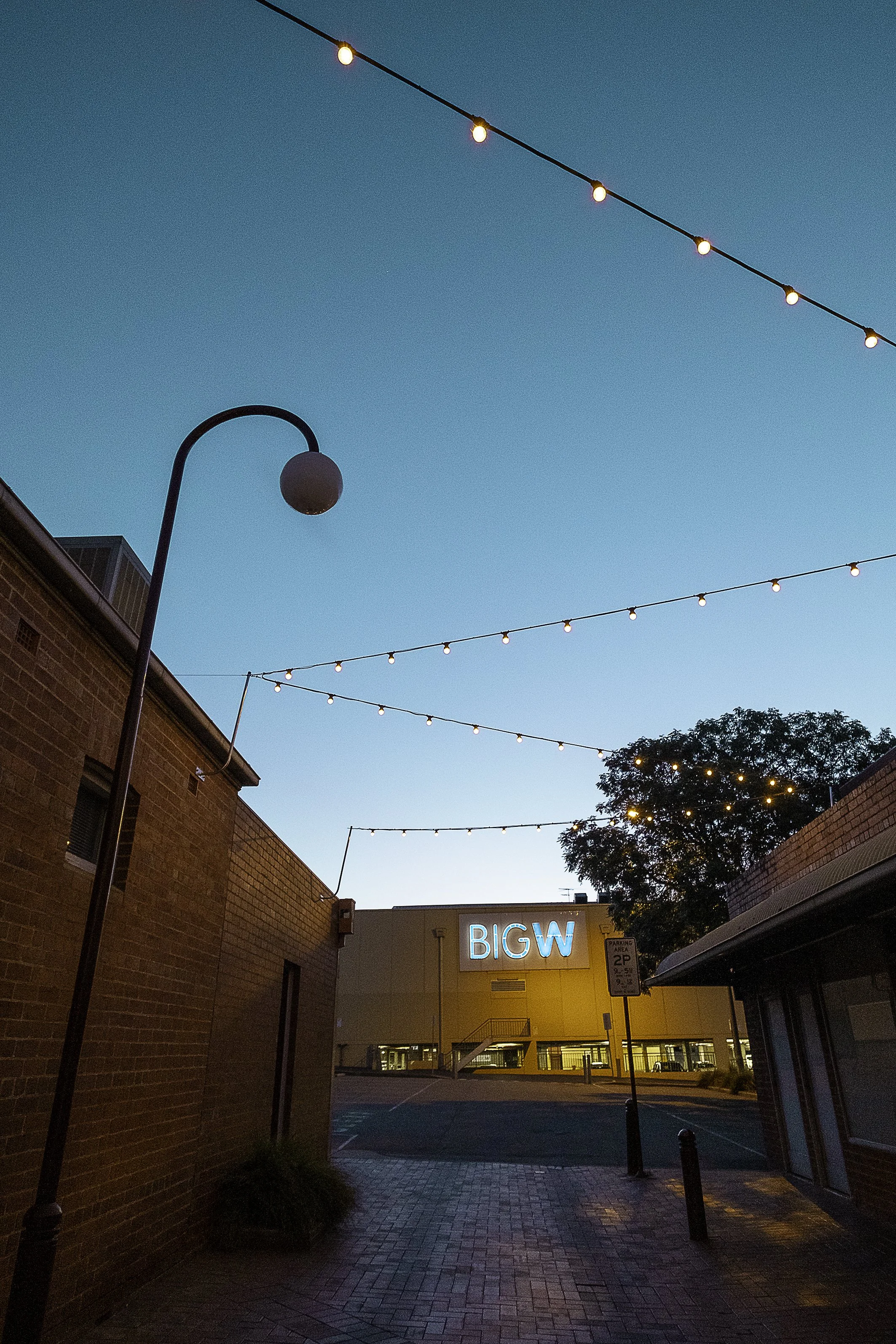
Start with the highway, because it shaped everything. For generations Wangaratta’s identity was bound up in being passed through. Then the Hume was routed around it, and the town, like a lot of bypassed places, had to work out what it was when the traffic stopped coming. What it became is the quiet capital of north-east Victoria: a regional hub that runs on education, health care and sport – the unglamorous, essential machinery of a district. It’s where the surrounding country comes for its hospital, its schools, its courthouse, its weekend football, the netball. It’s where people come to go to the cinema, to the arts centre, to Officeworks, and to eat. It’s the north-east hub.
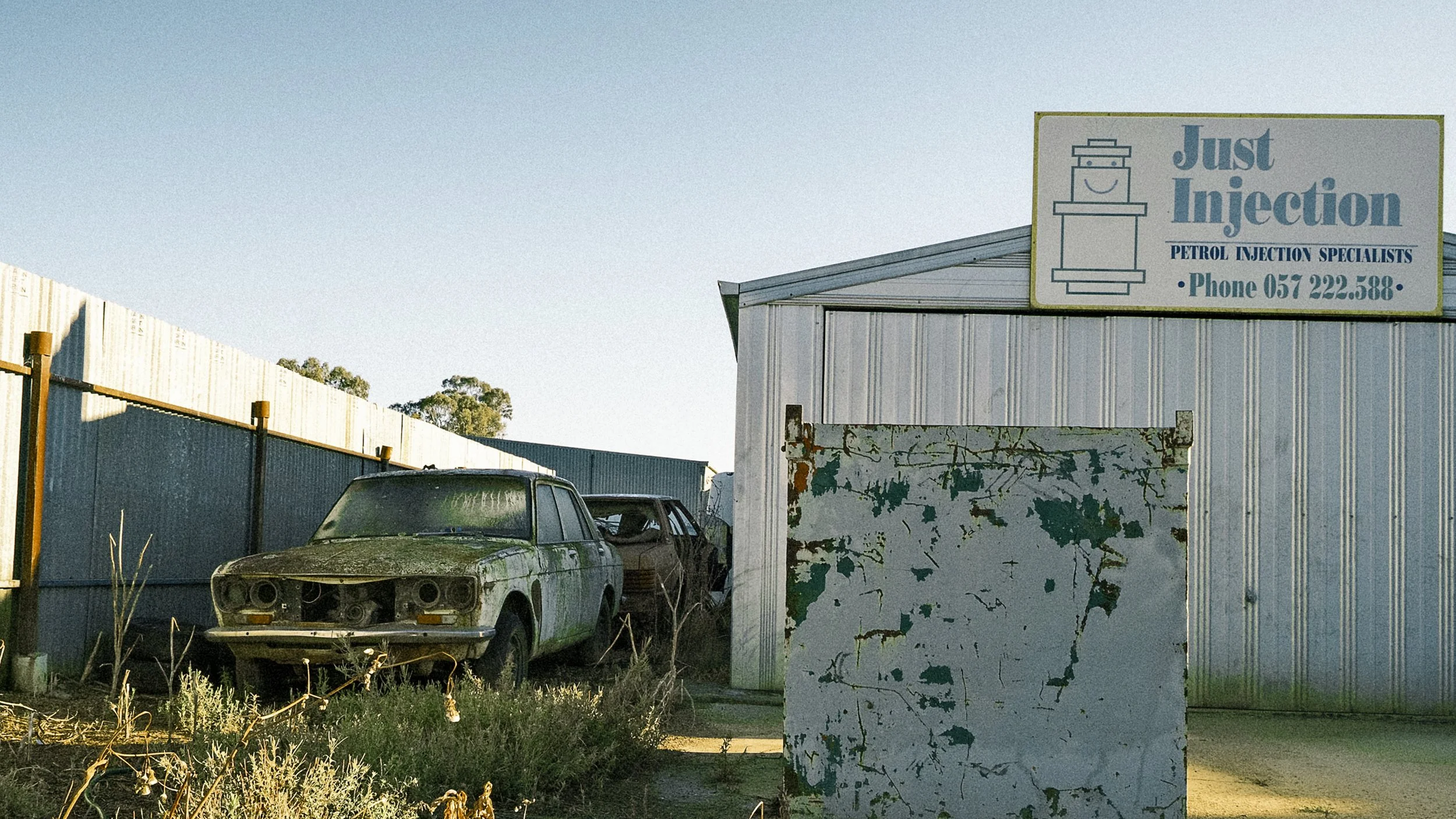
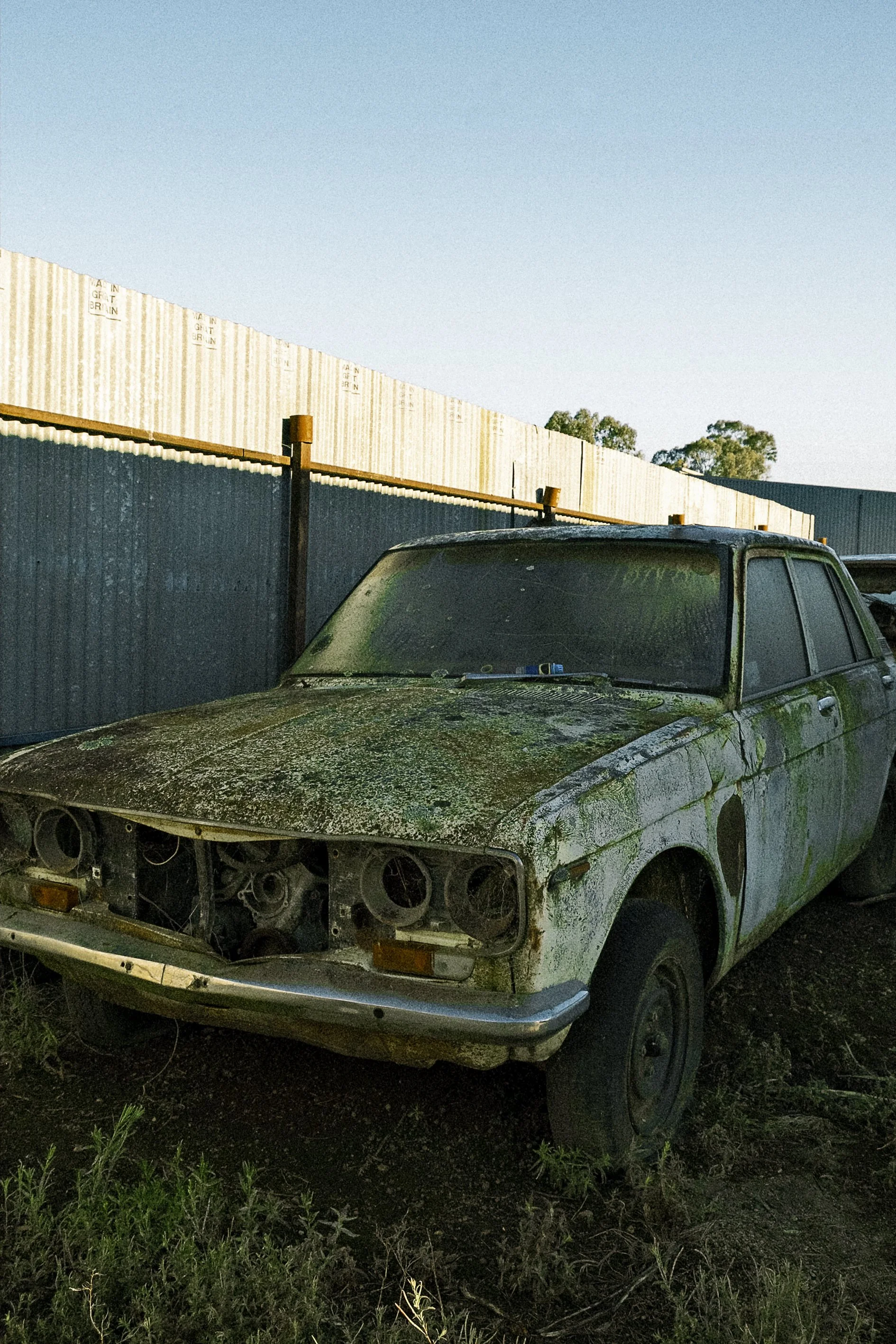
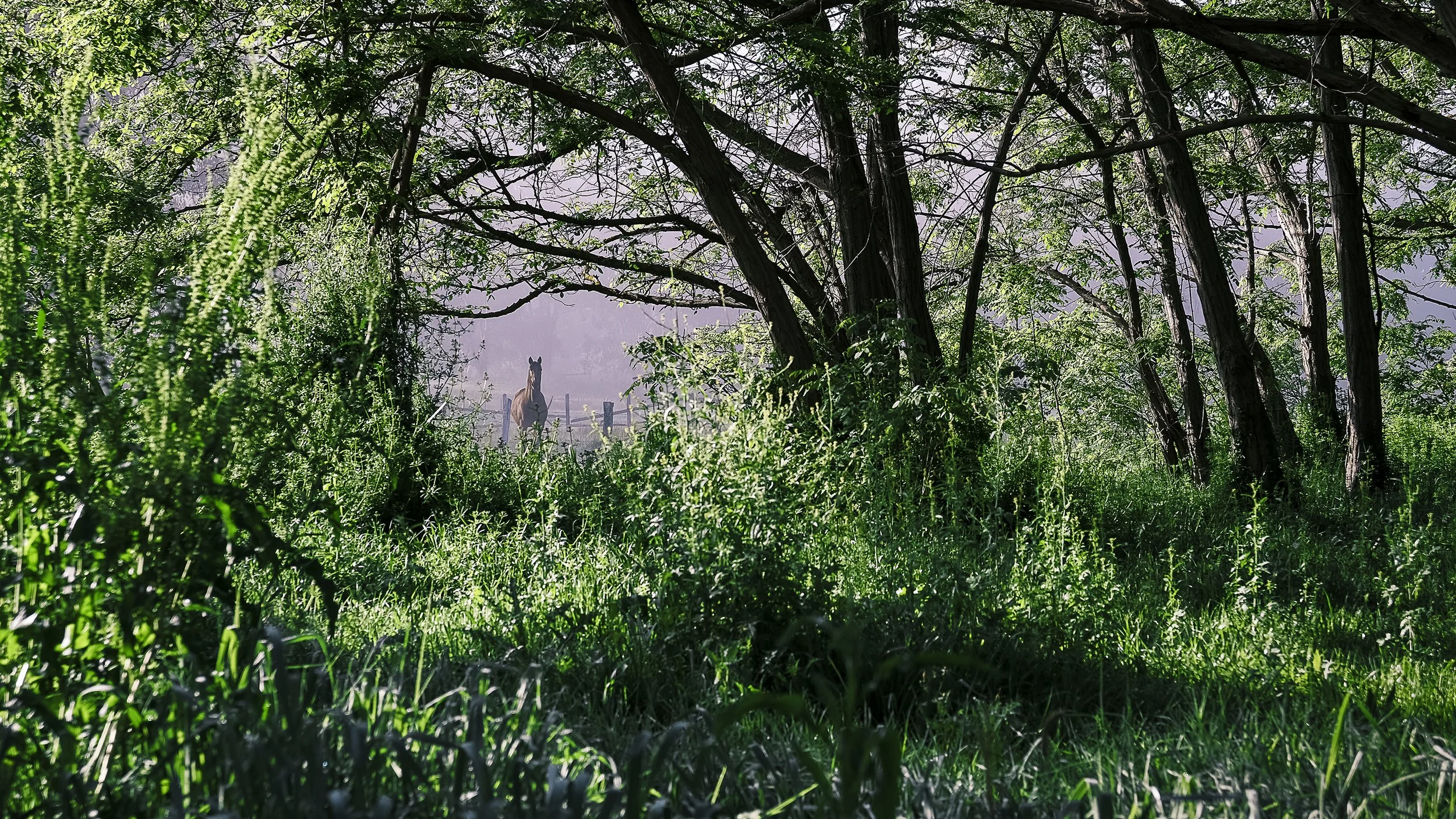
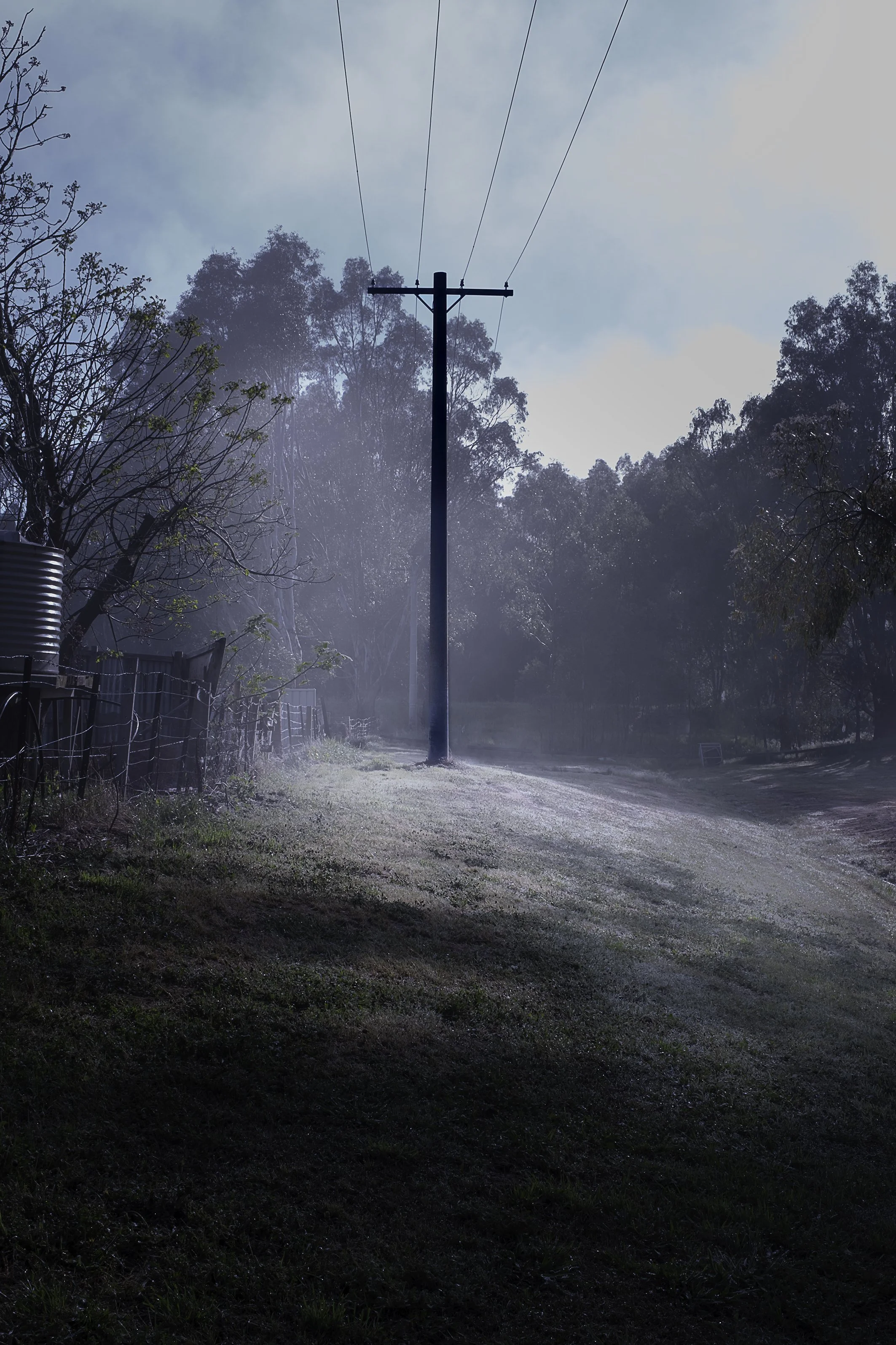
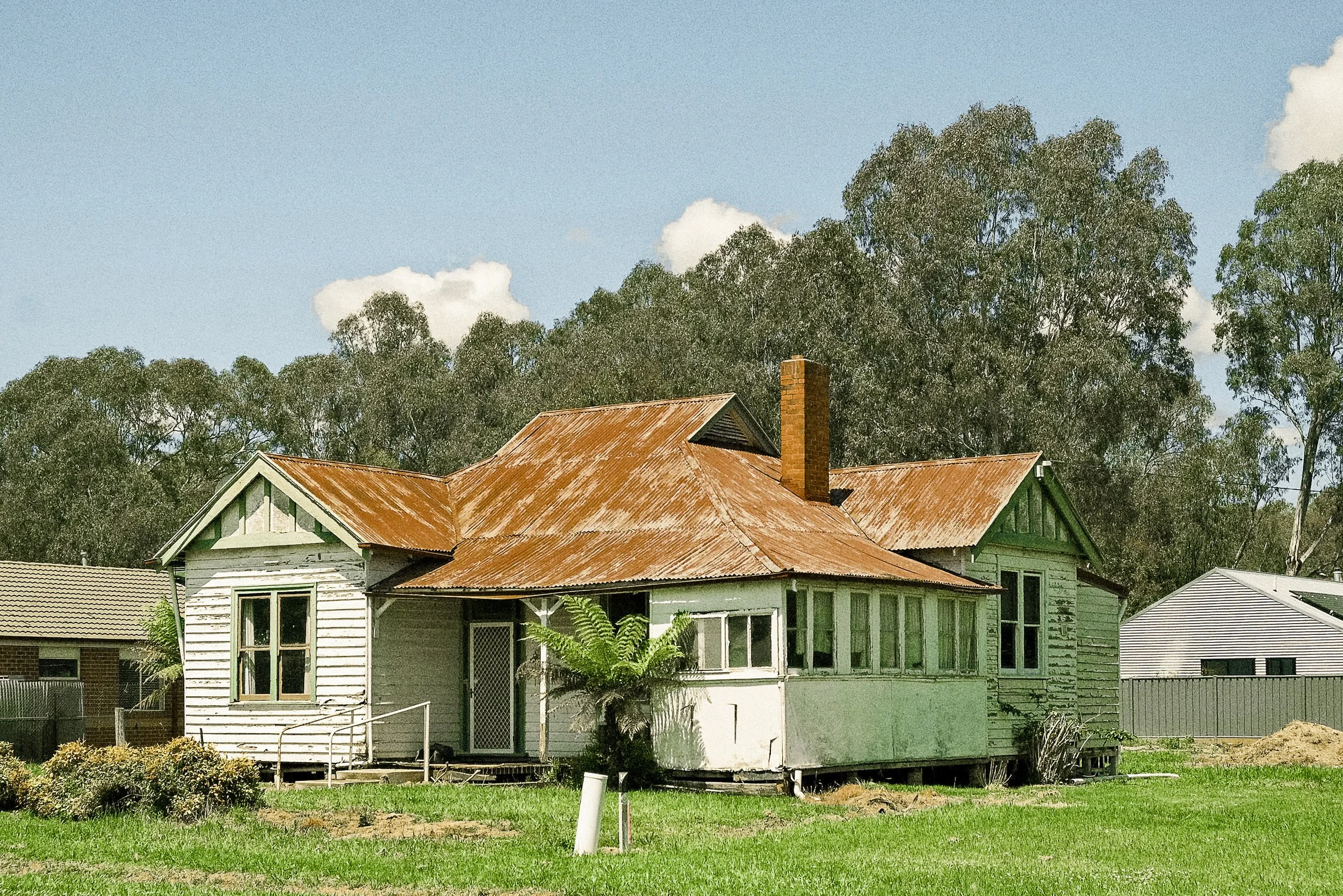
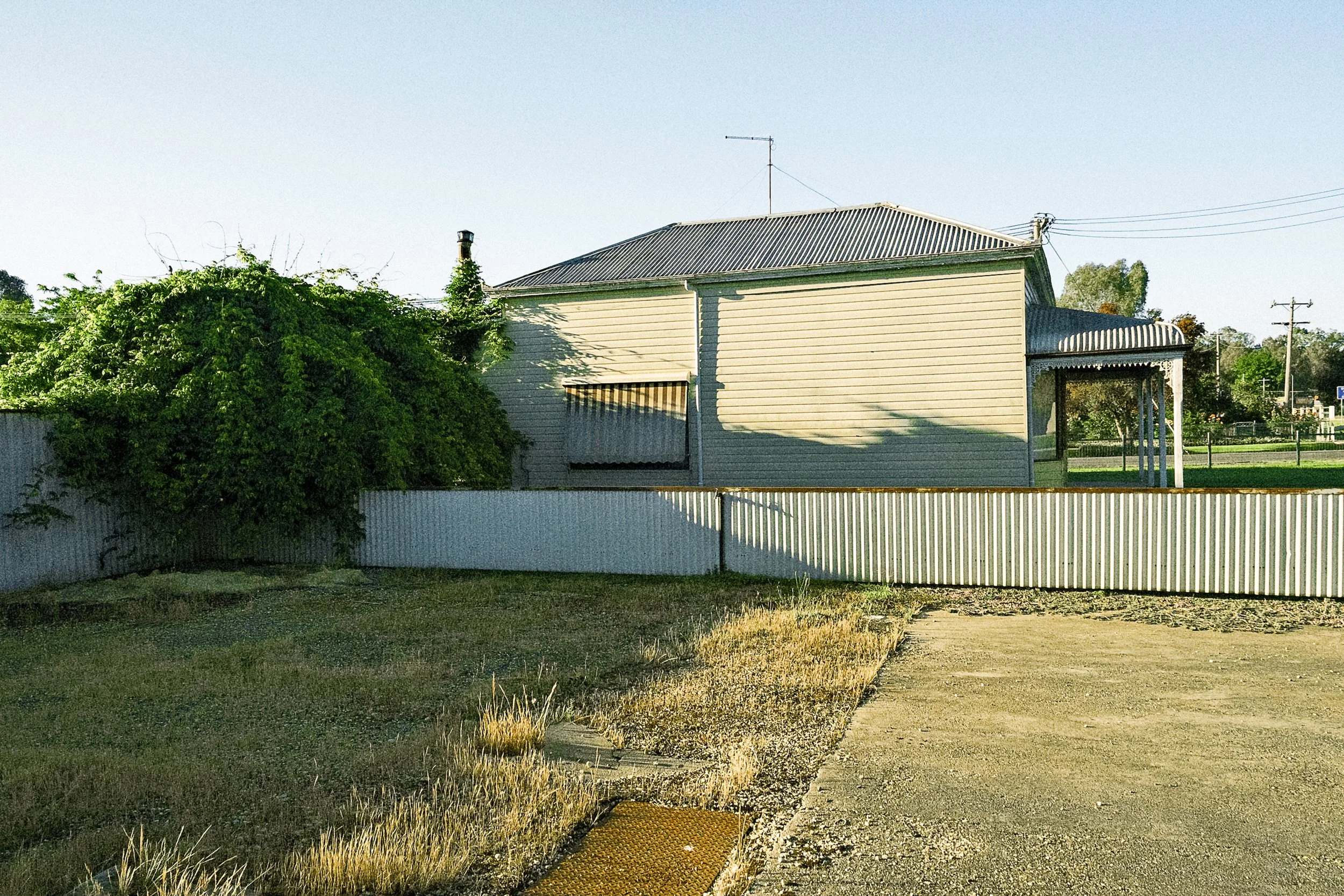
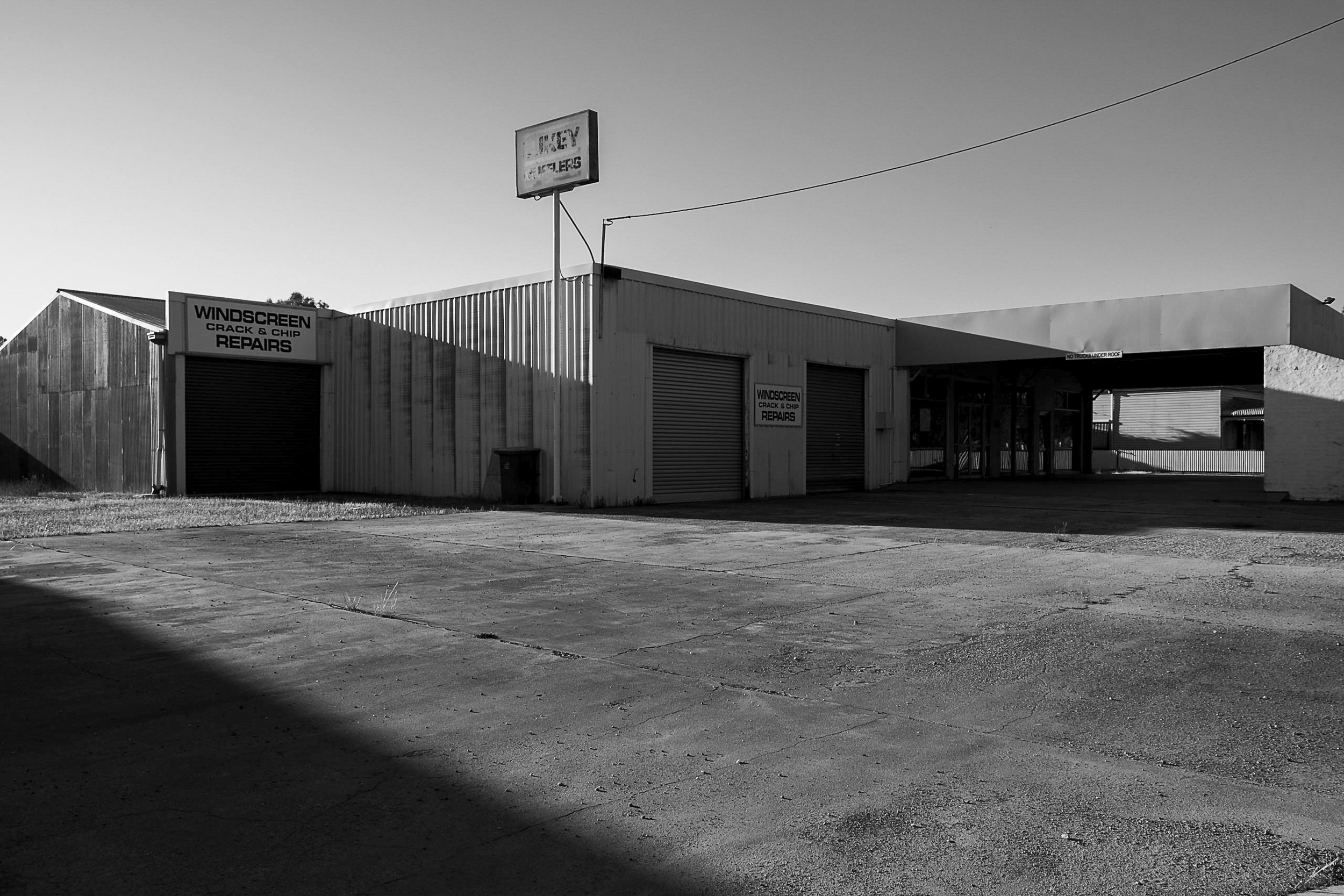
There was industry here once, and much more of it than you might expect. Wangaratta was a textile town — the mills were a serious employer for much of the twentieth century. On Bridge Street, on the old Cohn Brothers ice works and brewery site, a soft-drink and Coca-Cola bottling plant ran from around 1960 until the mid-1980s; locals of a certain age still remember the glass frontage, where you could stand and watch the bottles filled and capped. And on the edge of town, from the mid-1970s, there was an IBM plant – which sounds improbable, and only gets more so. It began by making electric typewriters, and by the mid-1980s had become one of only three IBM personal-computer factories anywhere in the world. For a while, a town better known for its football was quietly building computers for the planet, and later even making components for Apple. IBM sold the plant in the late 1990s; it closed in 2001. The mills, the bottling line and the computer factory have all gone the way of Australian manufacturing generally, but the town they helped build remains.
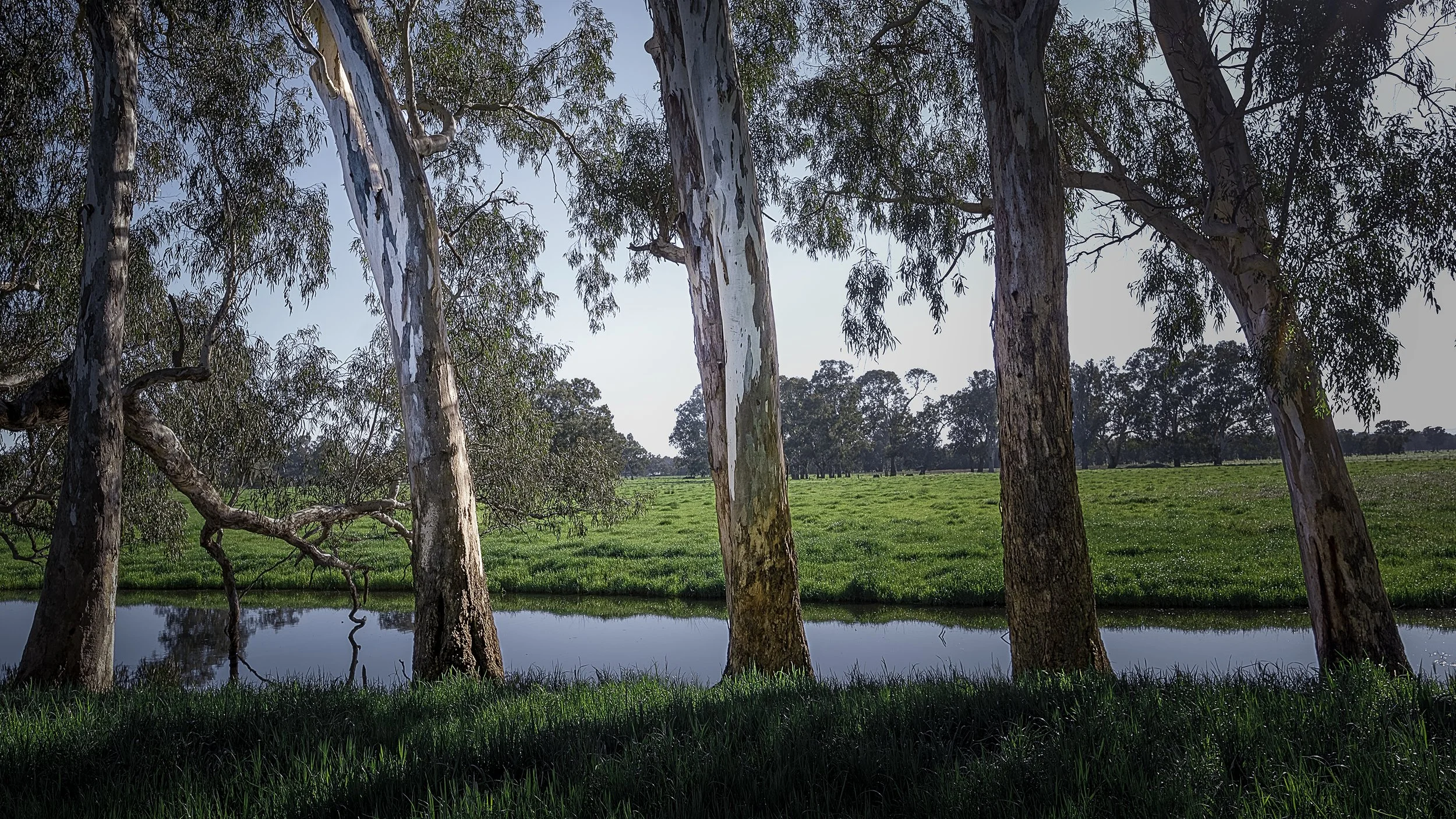
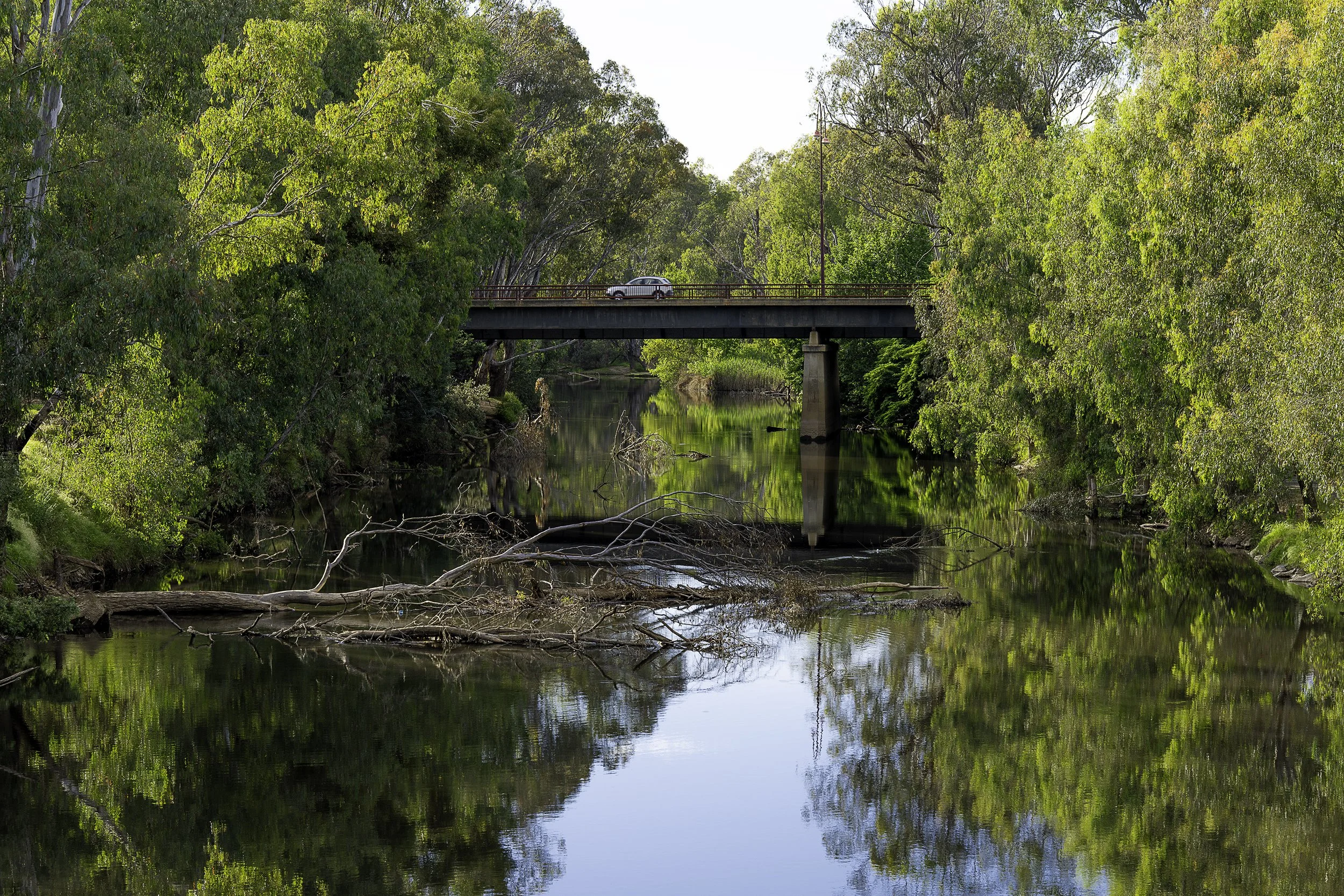
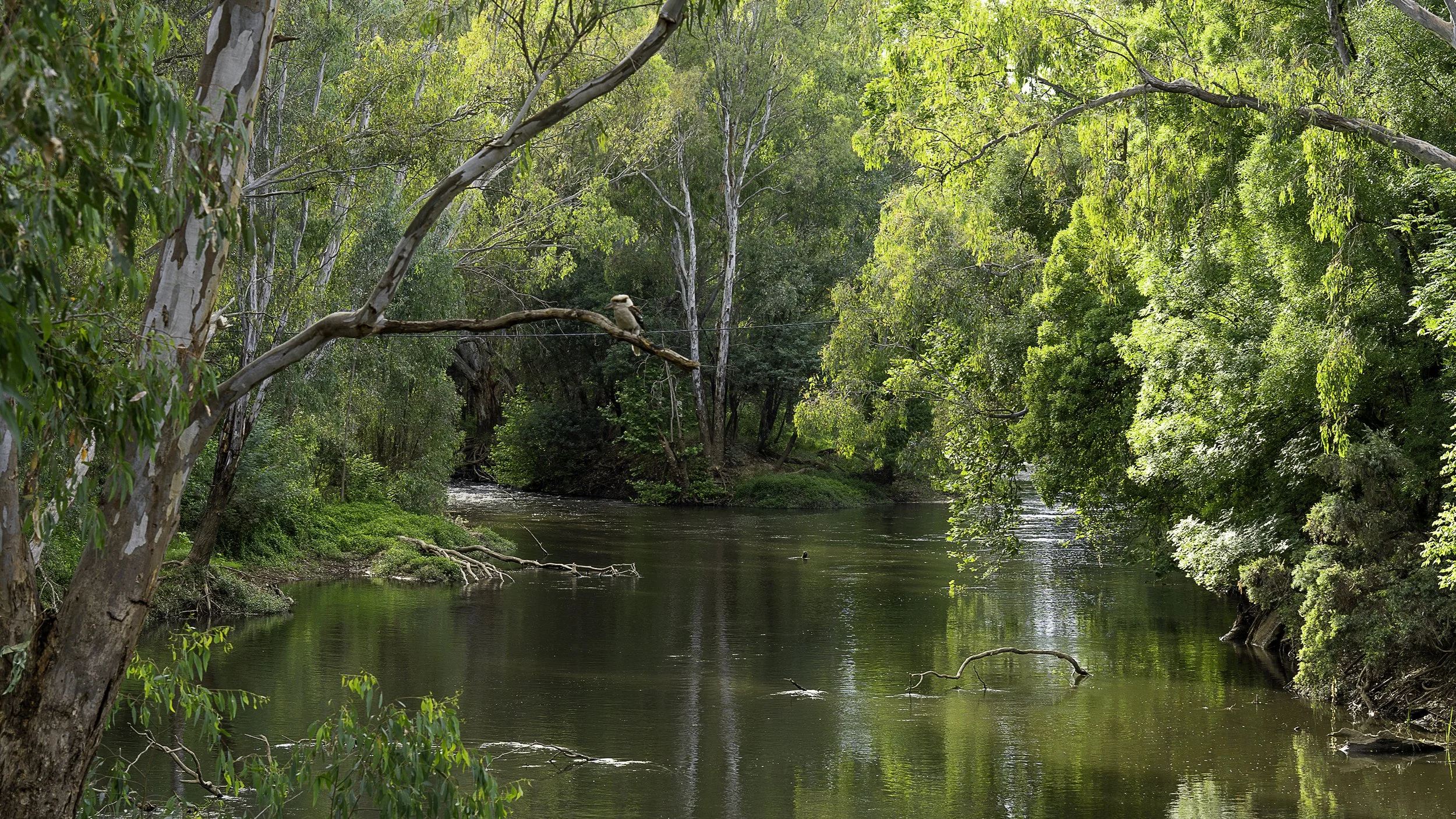
The Ovens River runs through Wangaratta, and more or less defines it, though so too does the Sydney–Melbourne railway line, which runs through it at right angles to the river. Water and rail. Sport and health. Schools and entertainment. The court house. That’s wang.
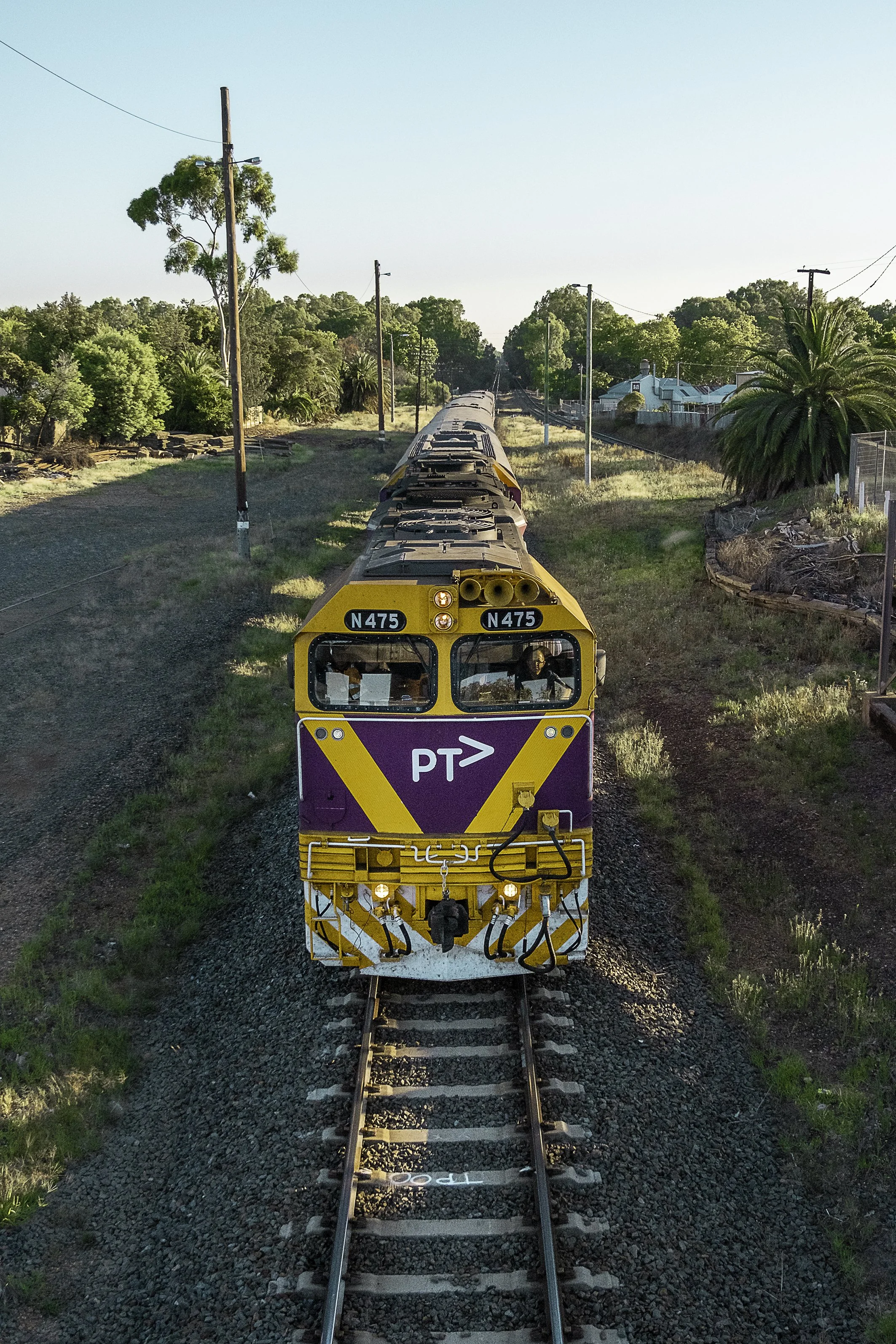
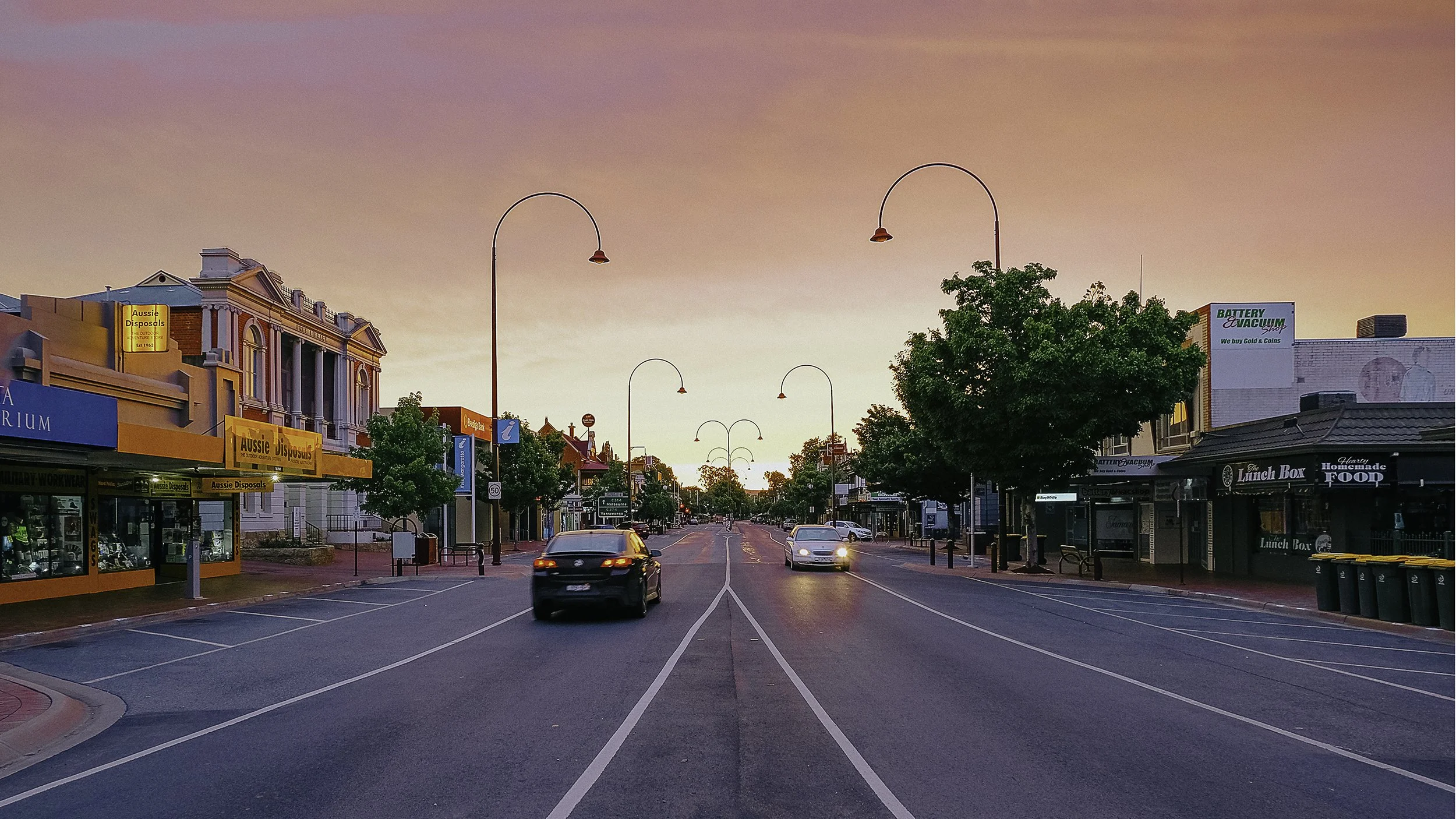
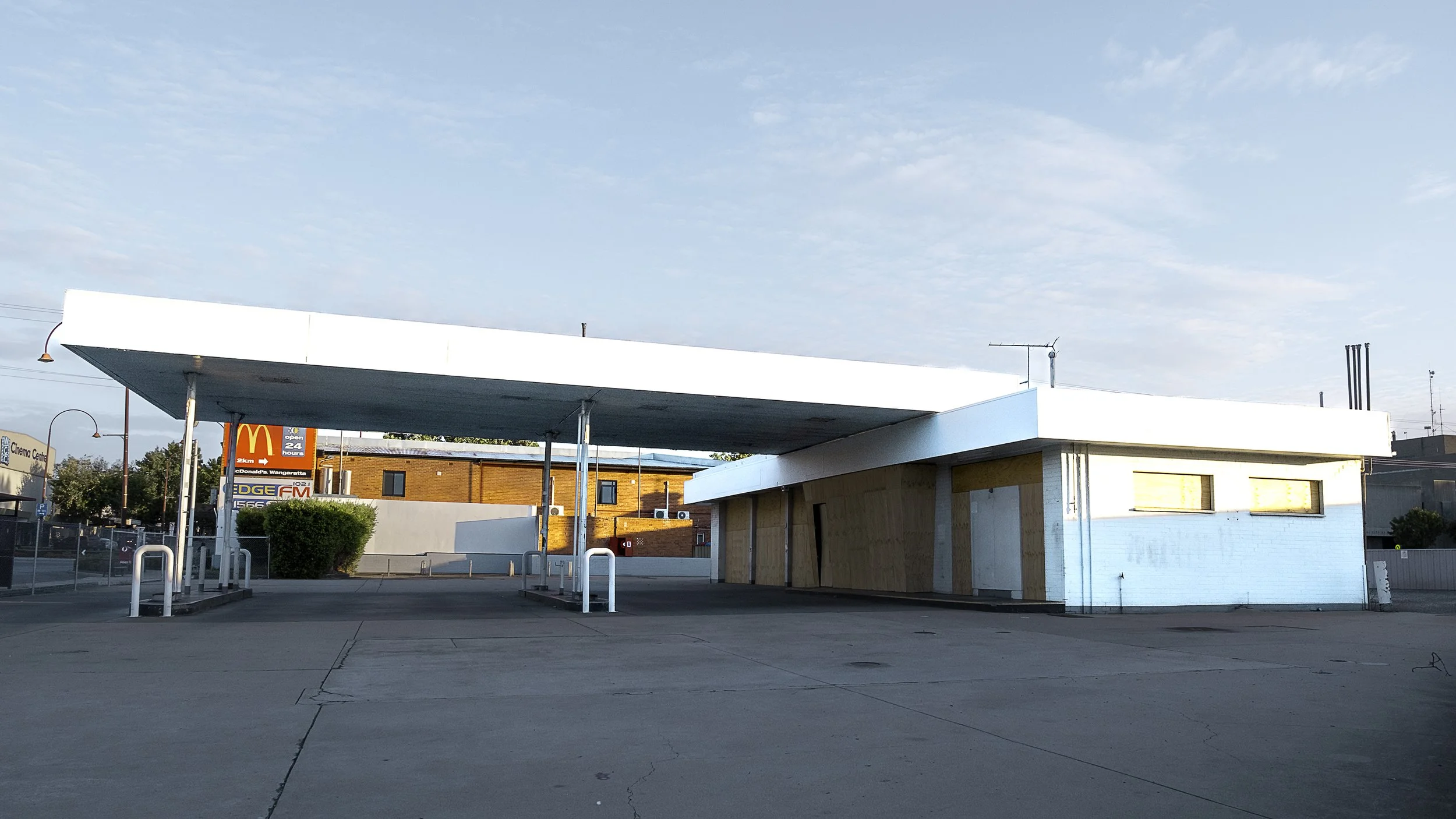
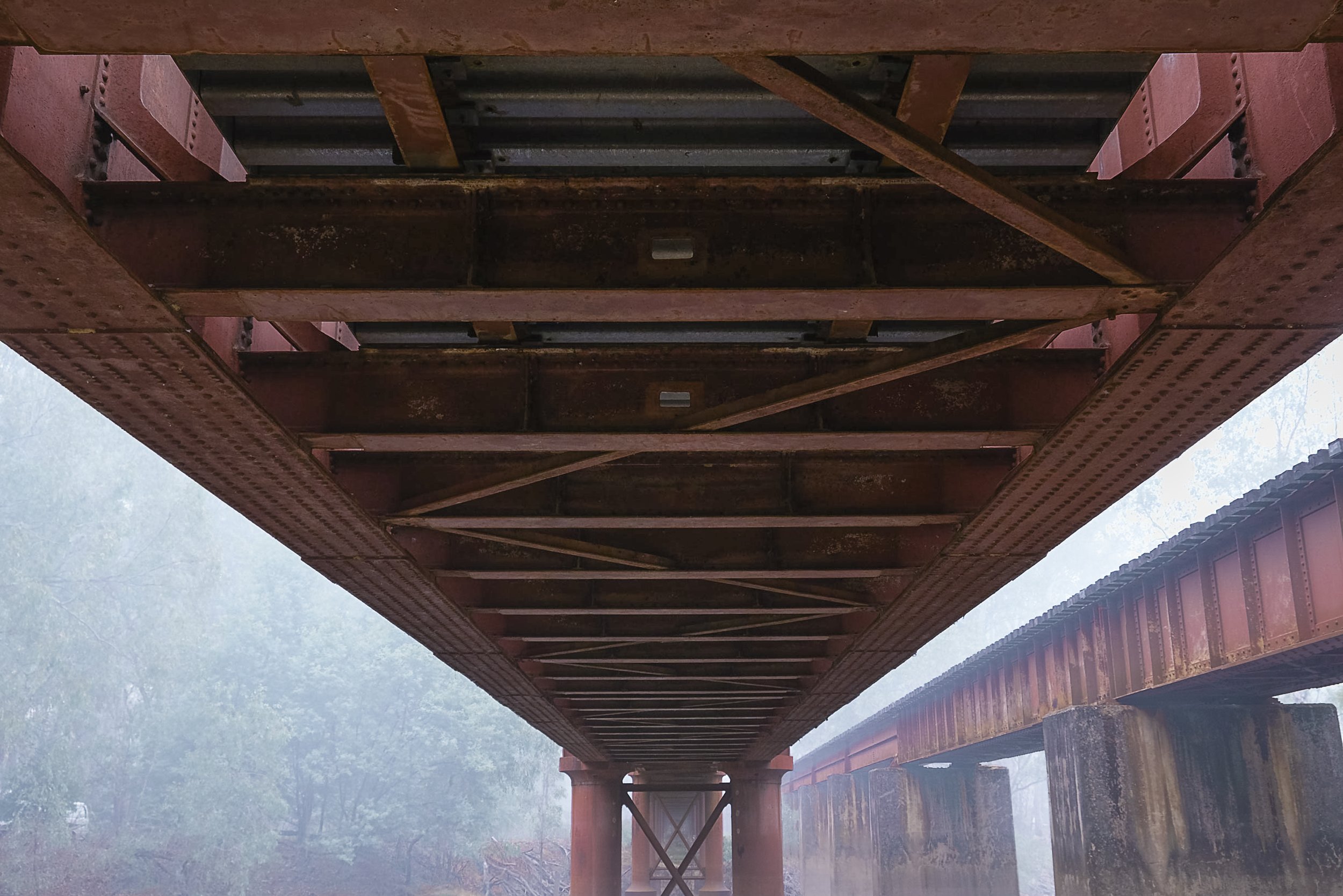
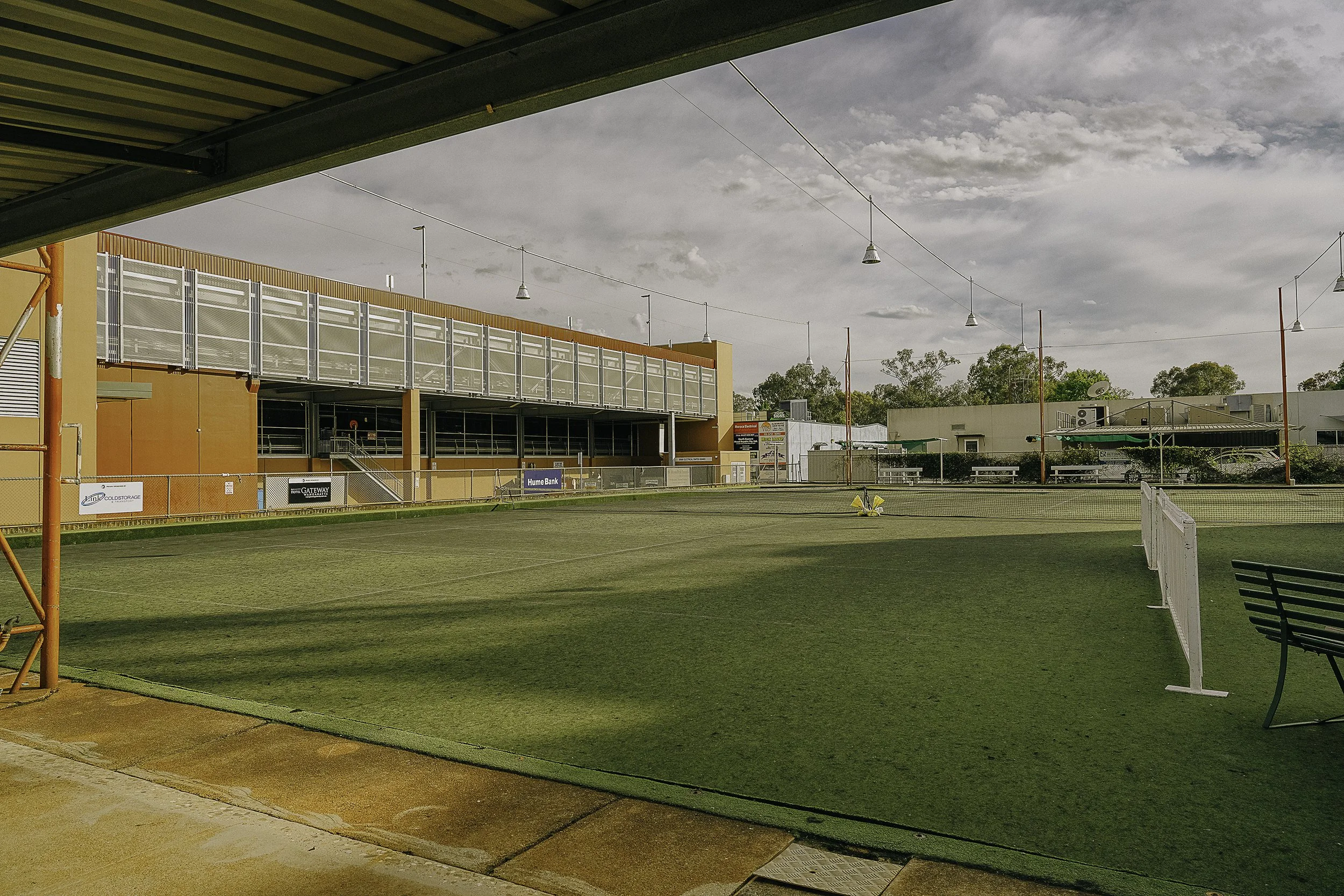
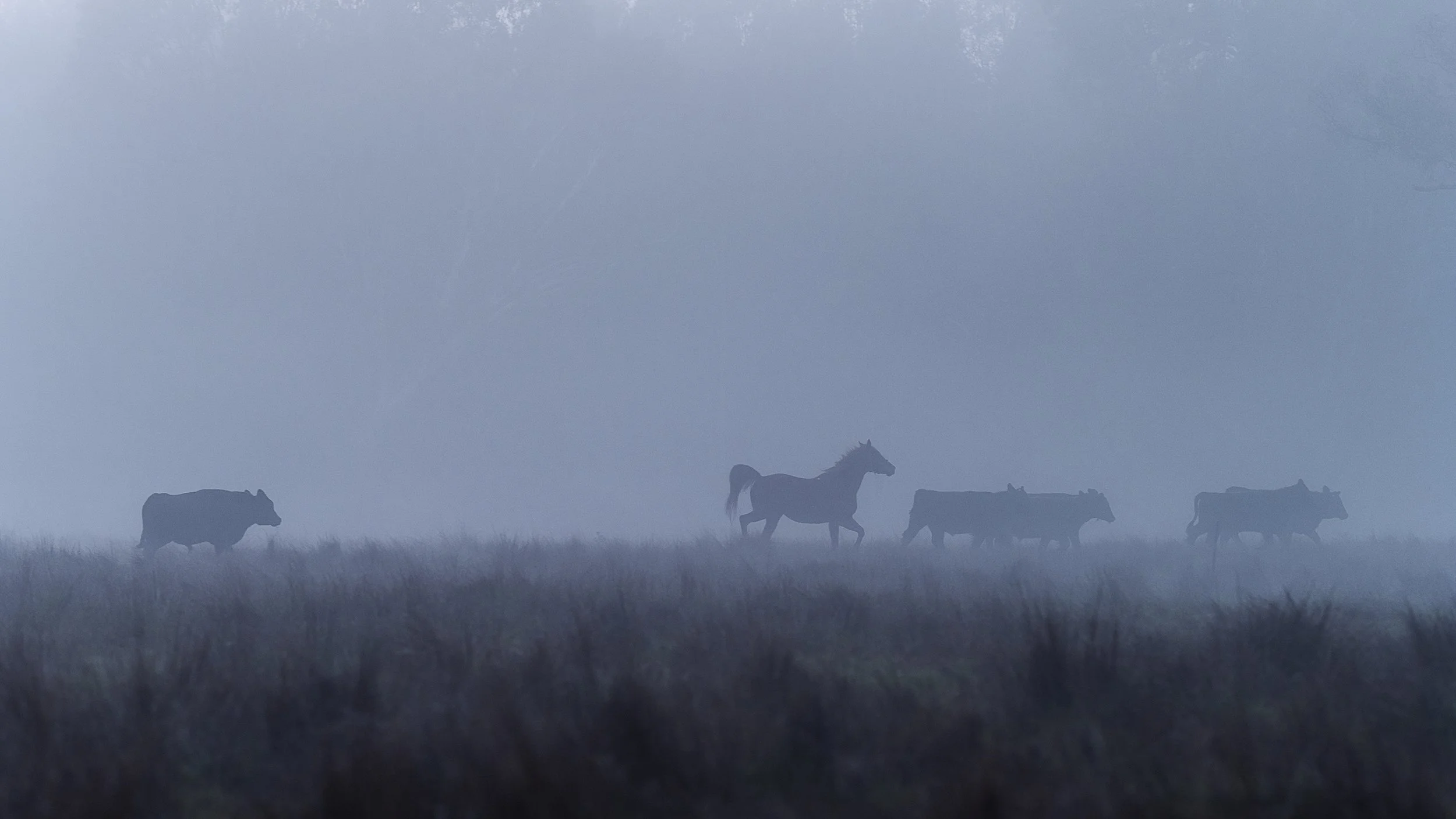
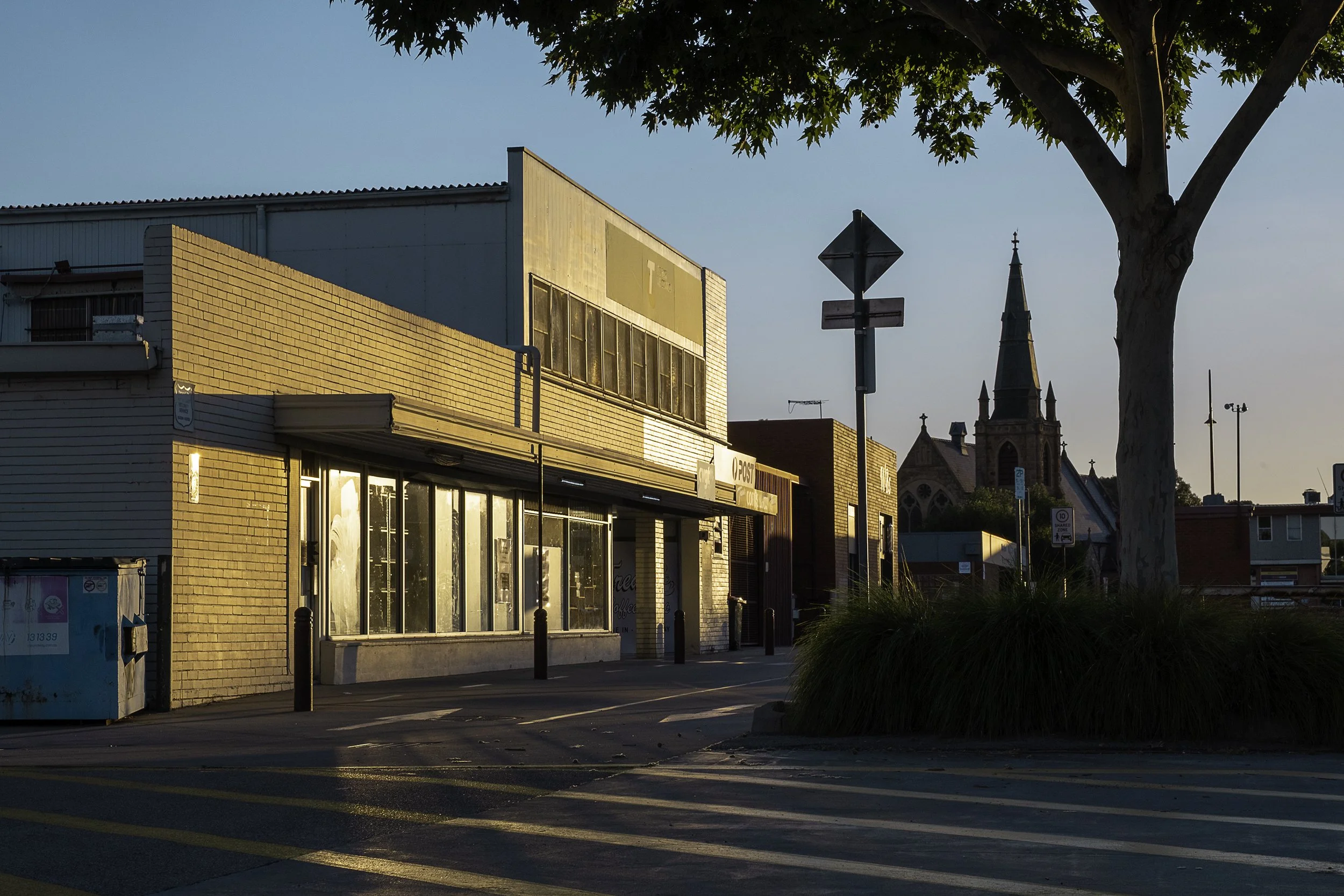
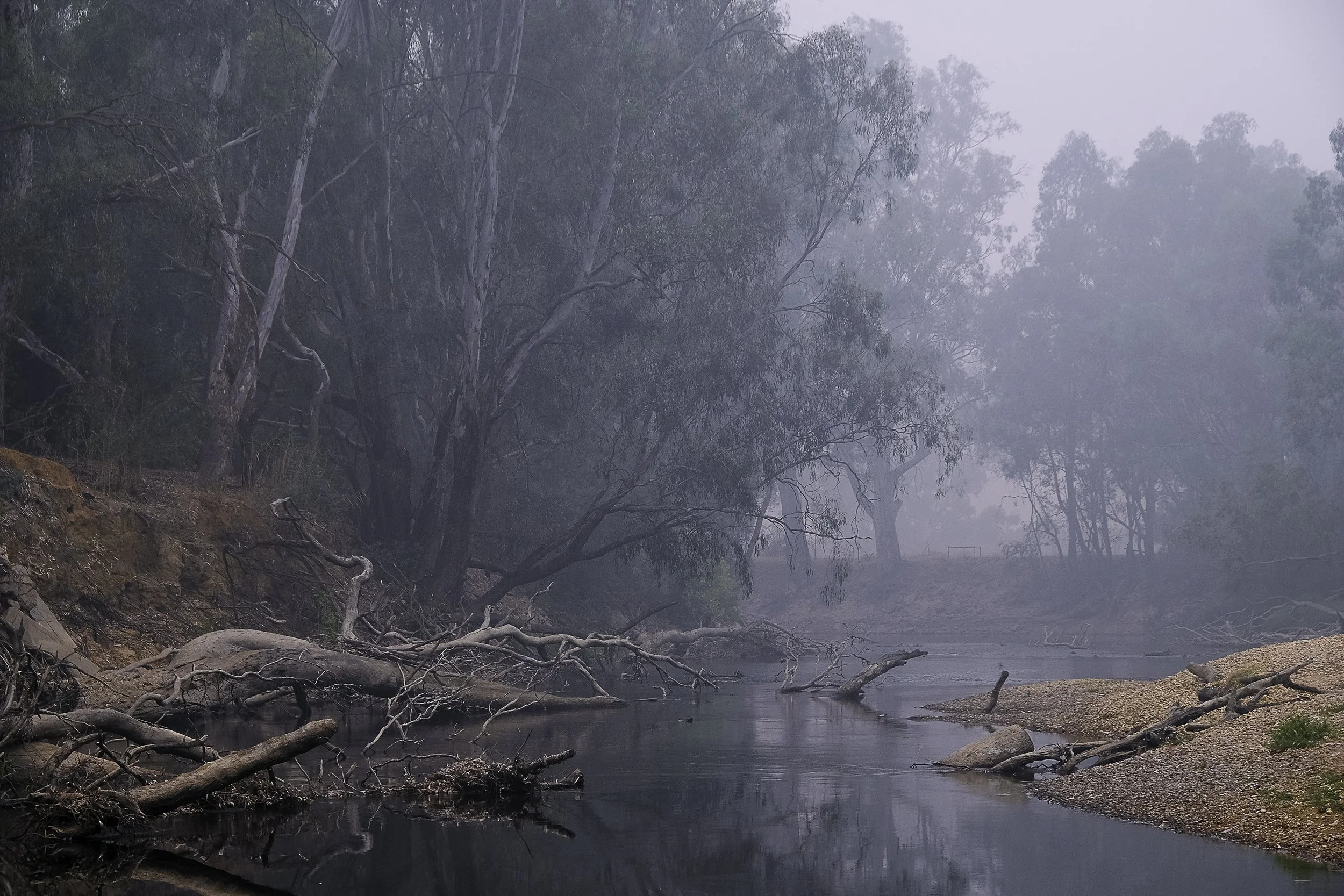
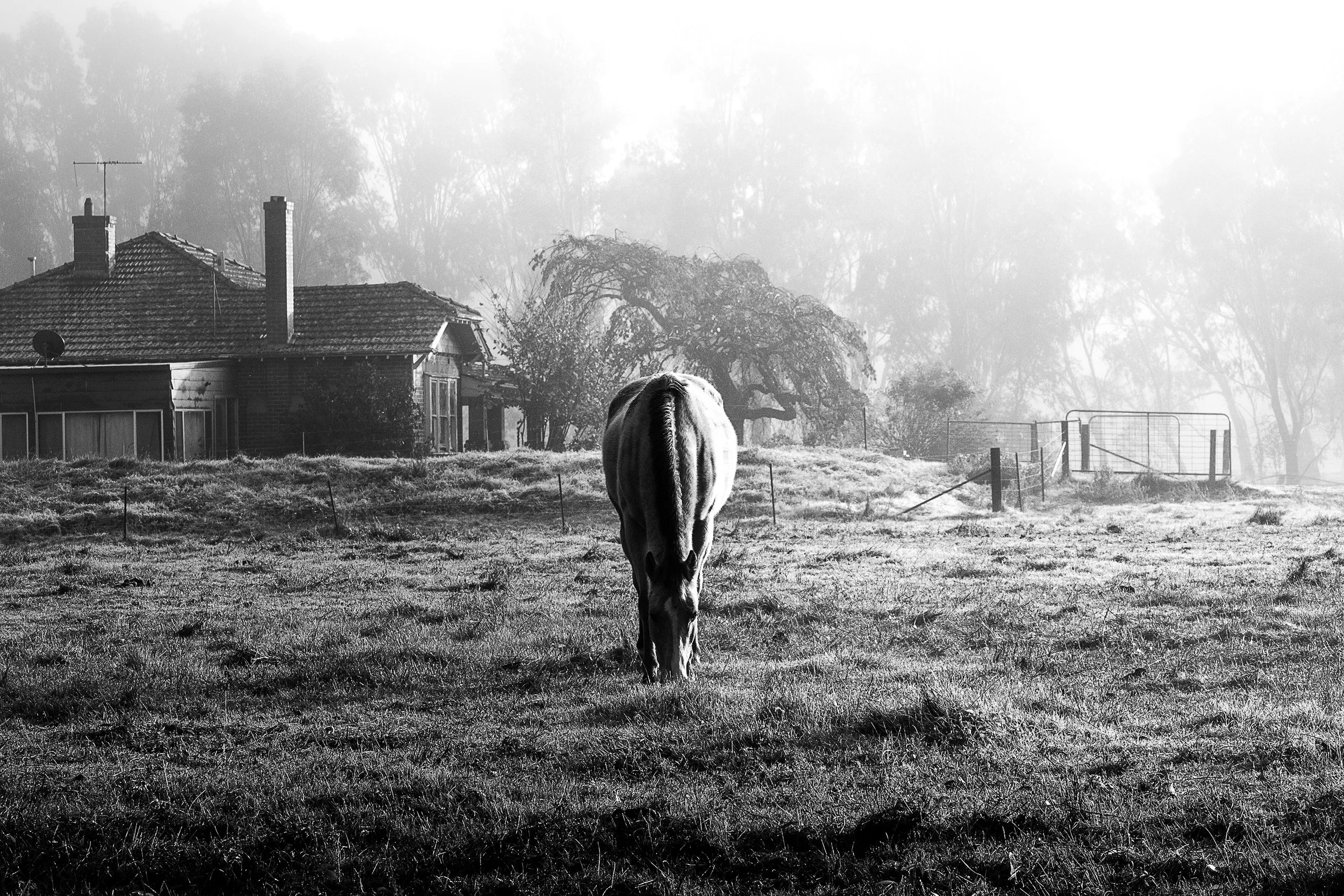
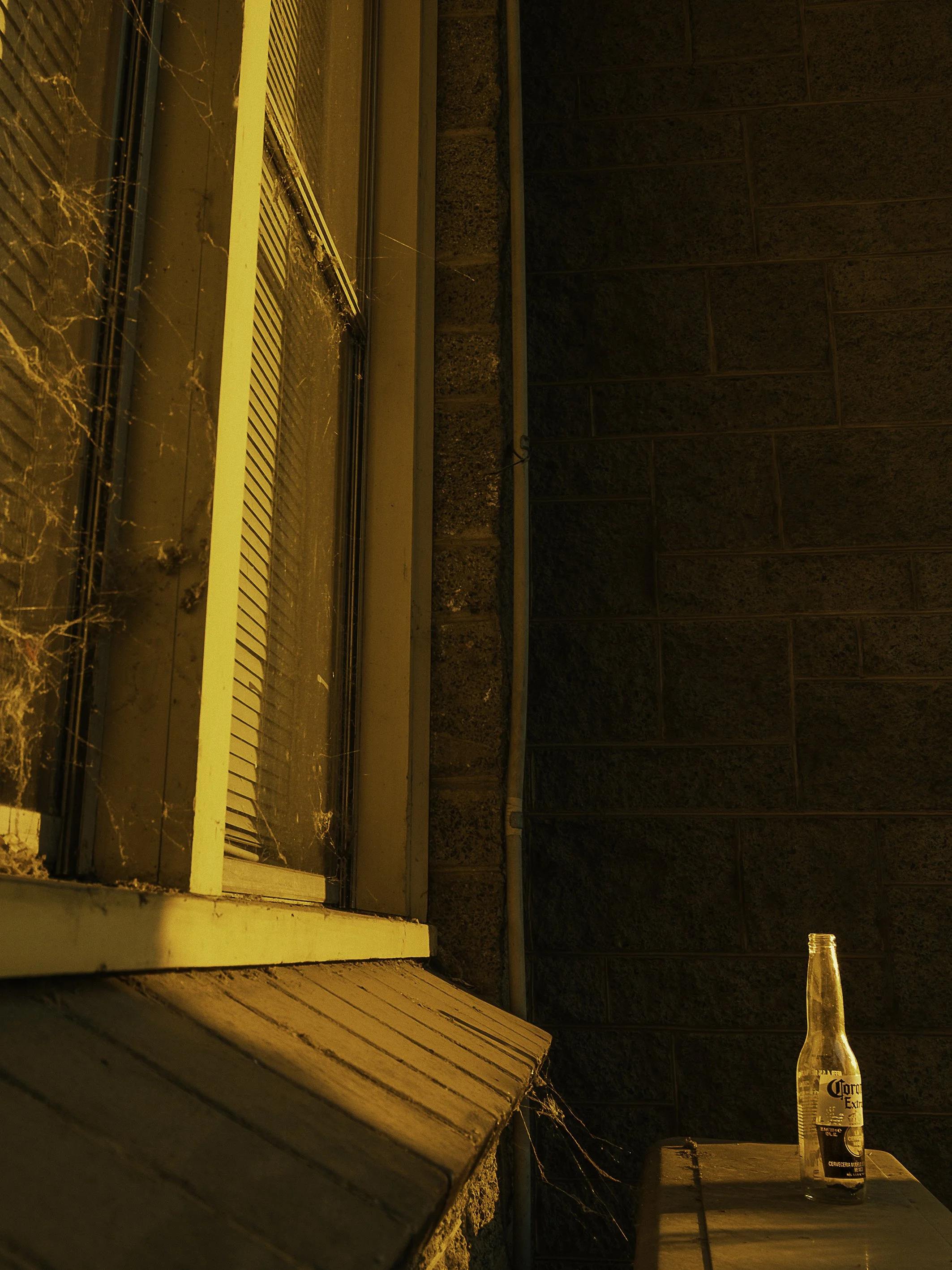
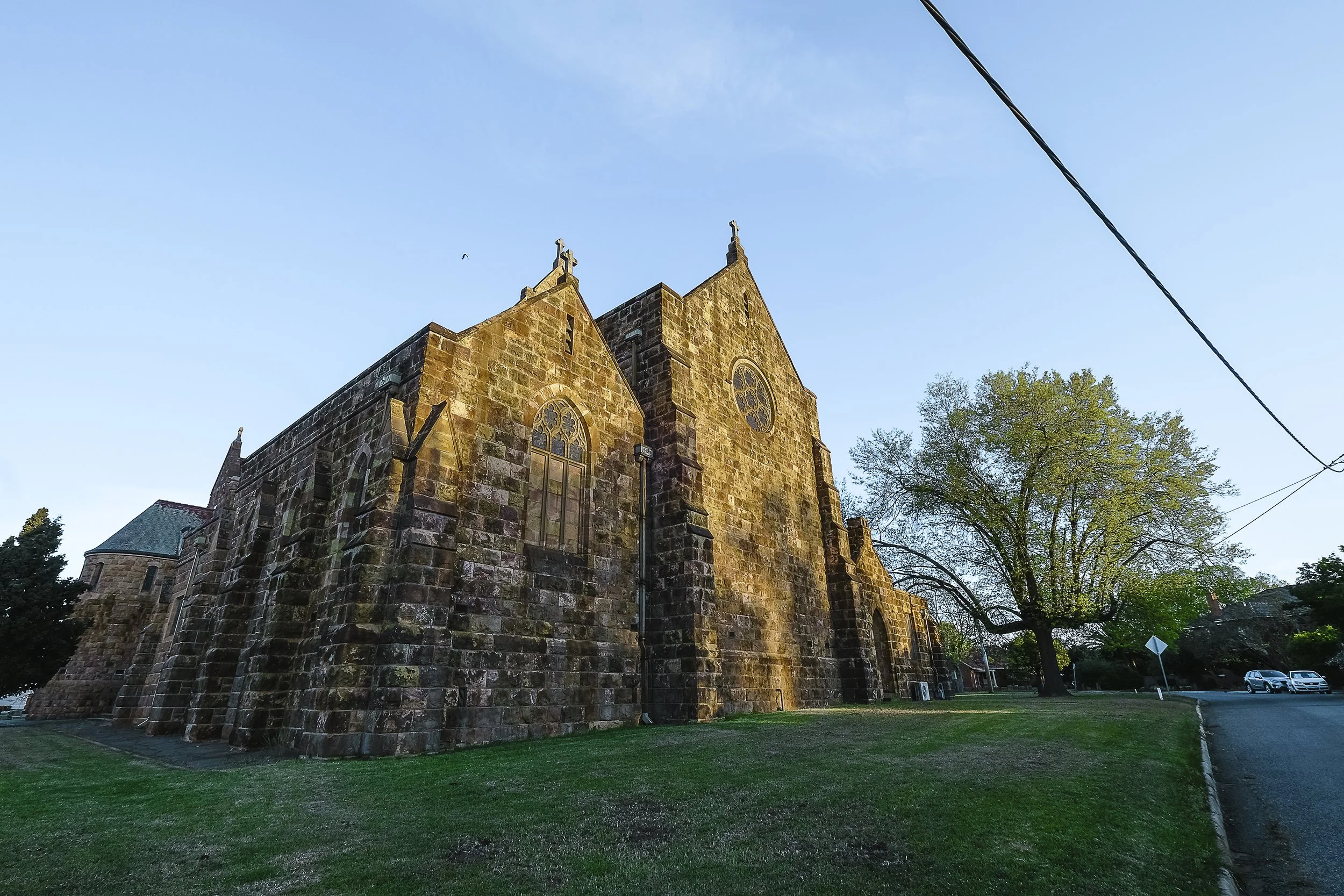
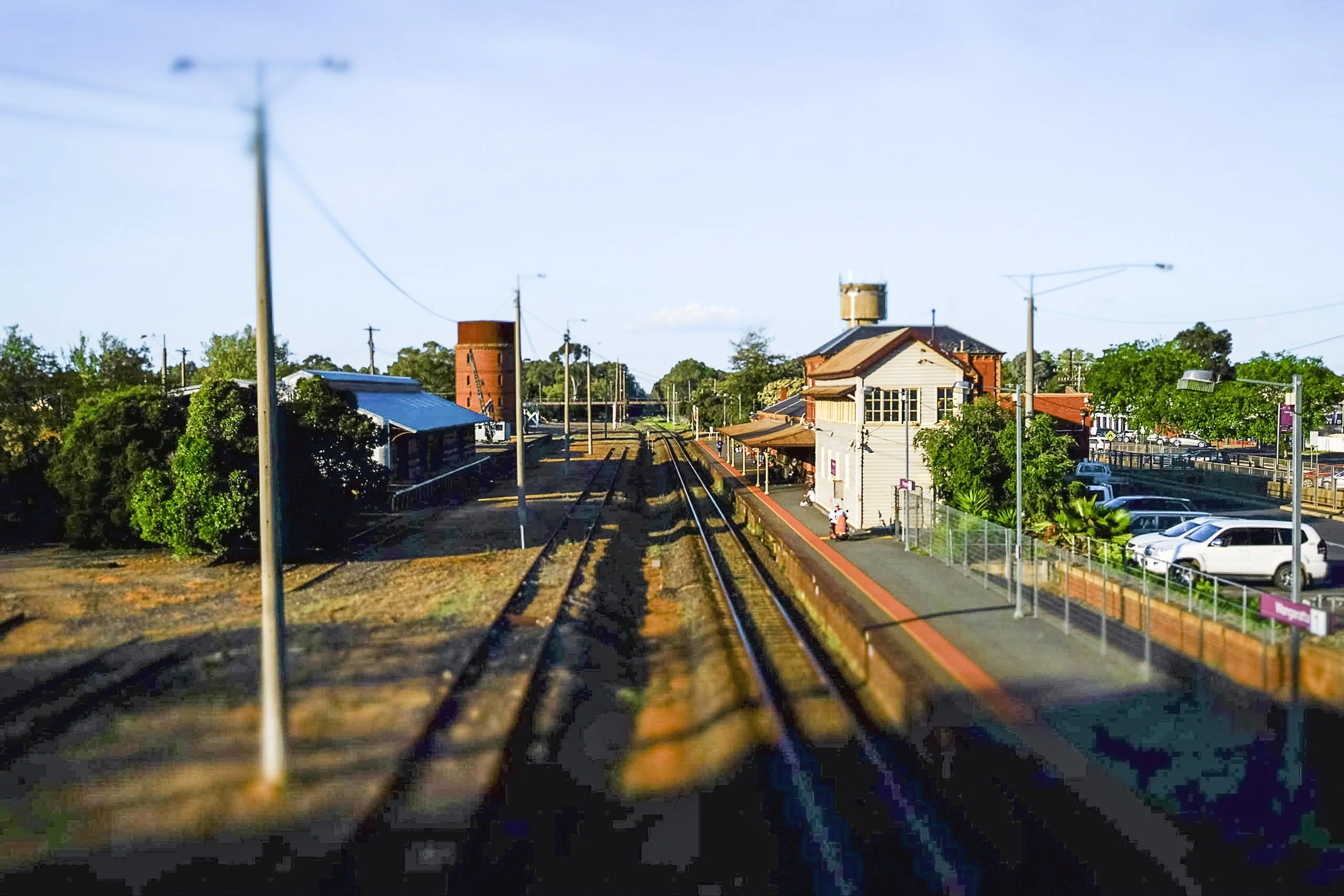
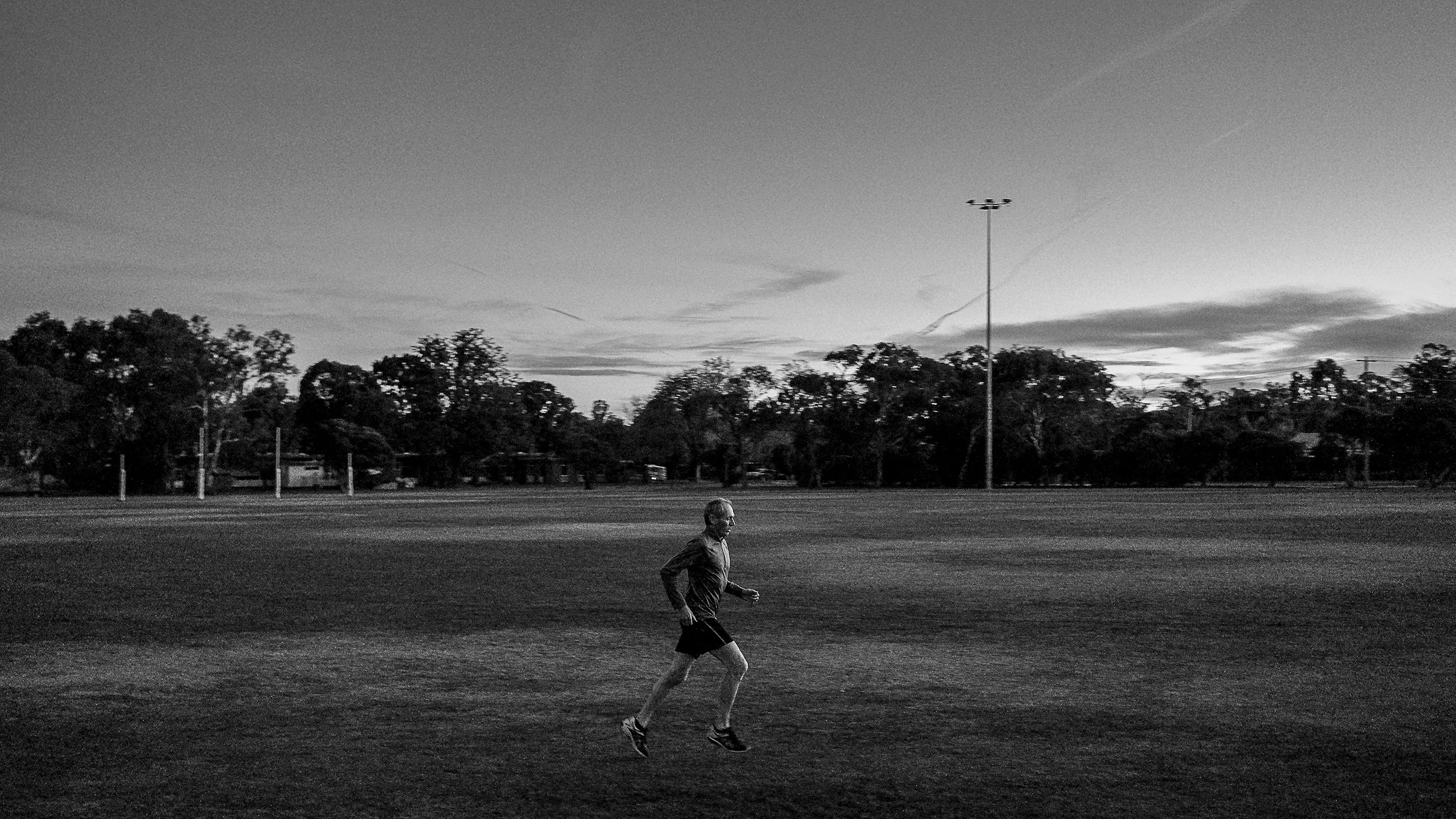
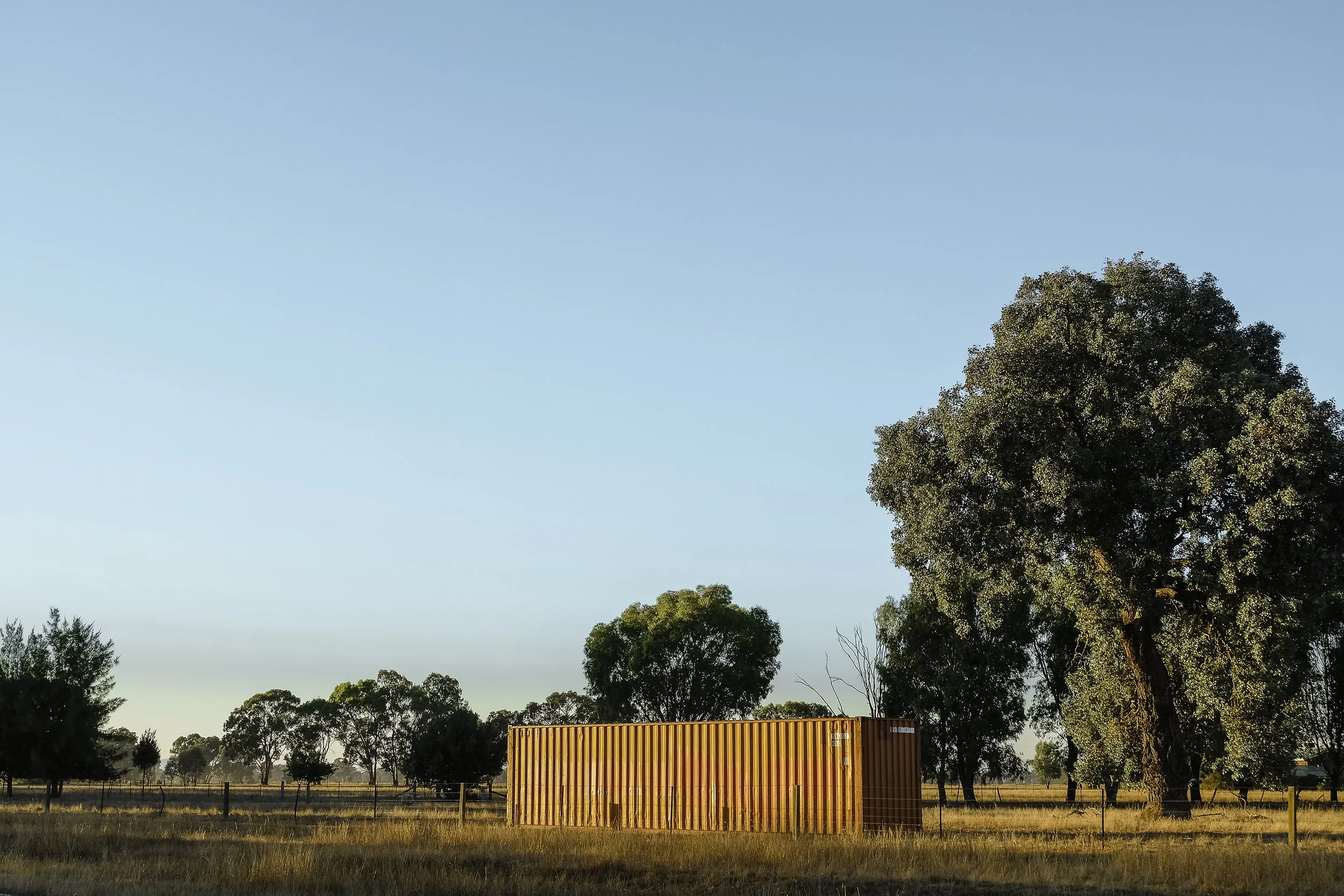
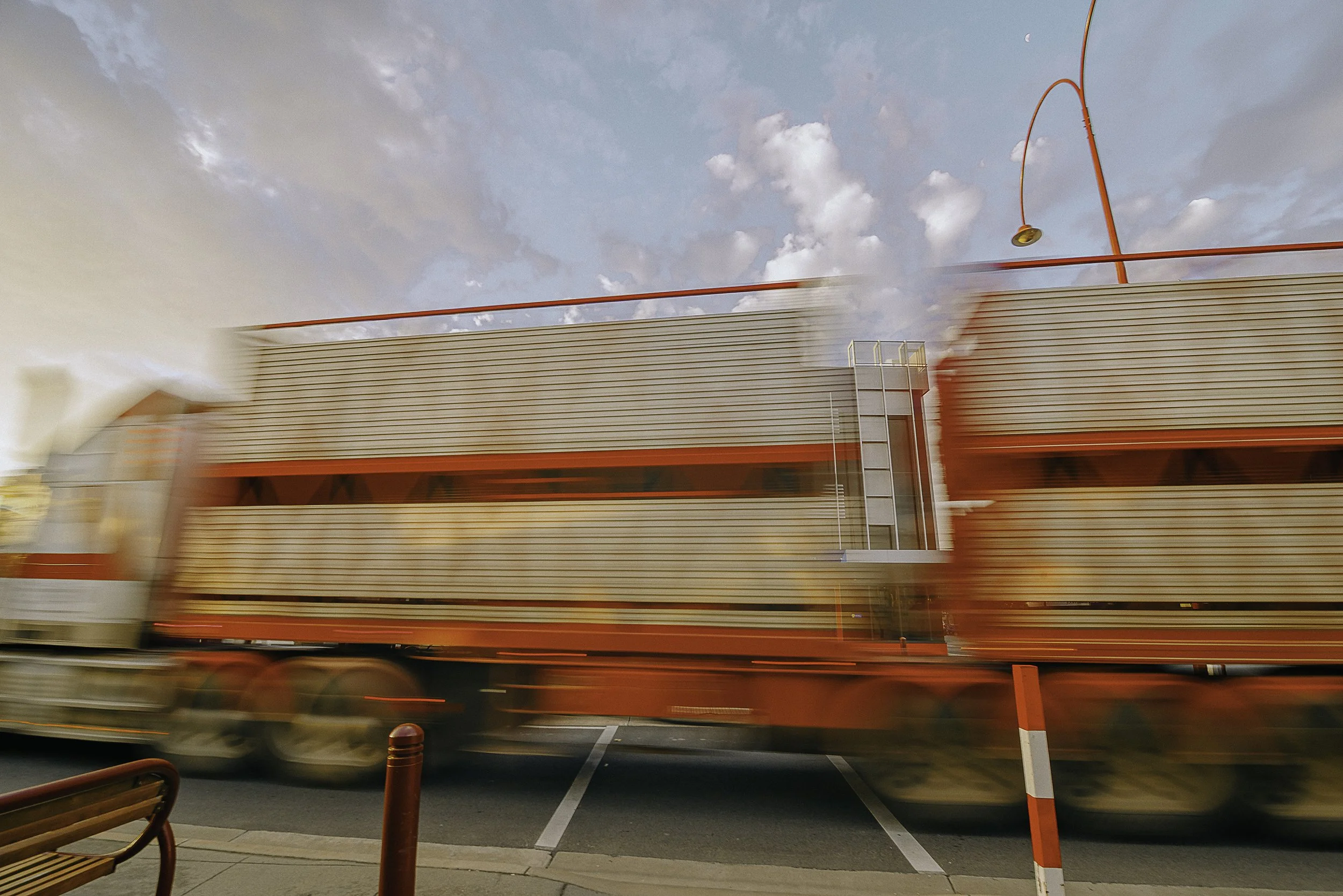
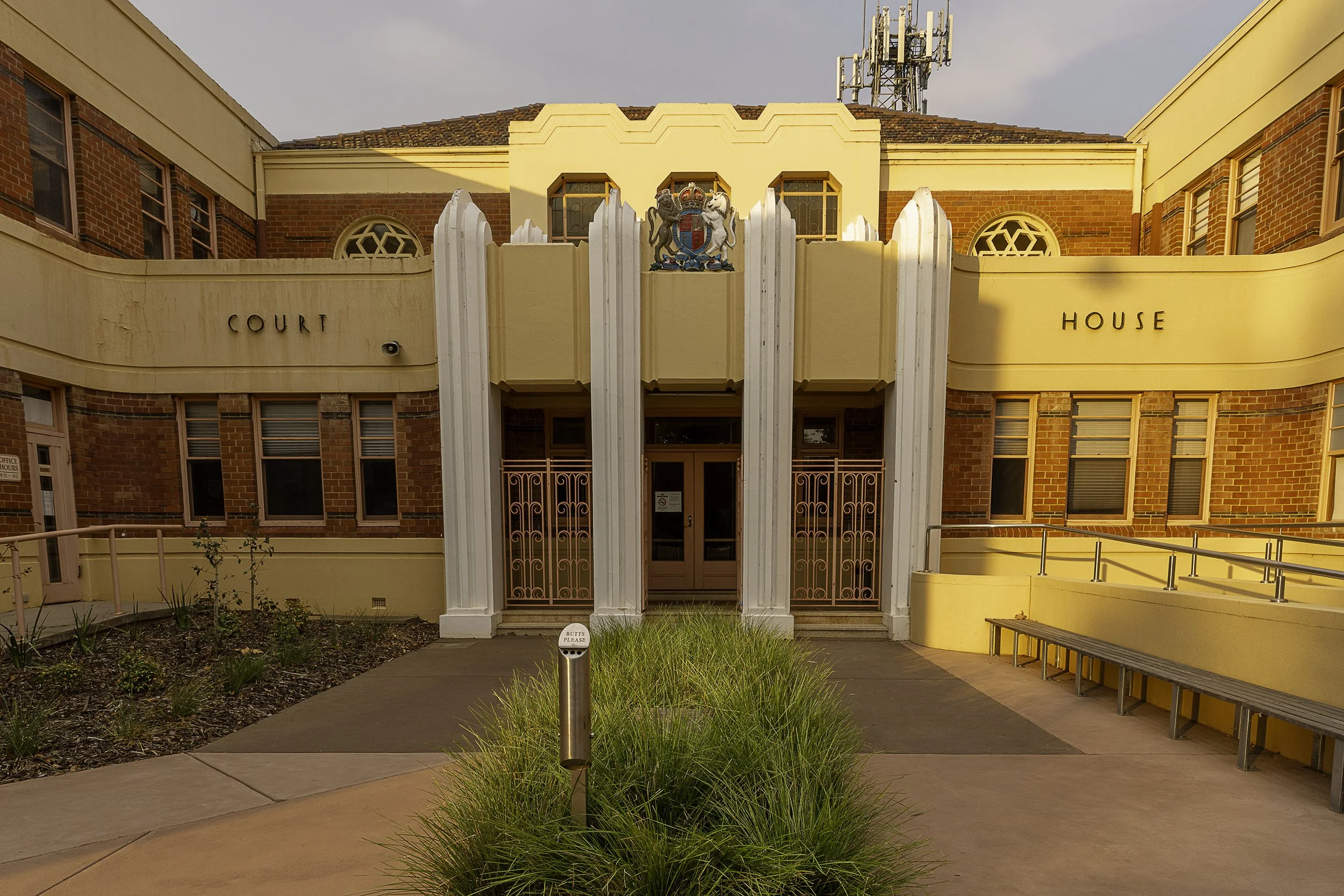
Sport, especially, runs deep. Wangaratta is famously football country – though really, its netball is every bit as strong. It also, again famously, produced an Olympic cycling gold medallist. Dean Woods was born here – the cyclist who, still a teenager, won Olympic gold in the team pursuit at the 1984 Los Angeles Games, part of the Australian quartet who beat the technologically superior Americans on plain bikes and sheer legs. He went on to a long career, more Olympic and Commonwealth medals, an OAM, and, for a time, a bike shop back home in Wangaratta. He died in 2022. The town takes its sport seriously, in the way regional places do when sport is also the thing that holds a community together.
Its most famous export may be an unwilling one. Nick Cave went to high school here, and has never pretended, let’s say, to have enjoyed the town, though it did help inspire one of his best-loved (duet) songs, and he did return to play at the local arts centre. There’s something fitting in that. A lot of people who grow up in country towns spend their youth desperate to leave, and only later, from a distance, understand the value.
Which is part of why I wanted to photograph it. I lived in Wangaratta. I never planned to live in Wangaratta, but when I did it got quickly inside me, and I miss it.
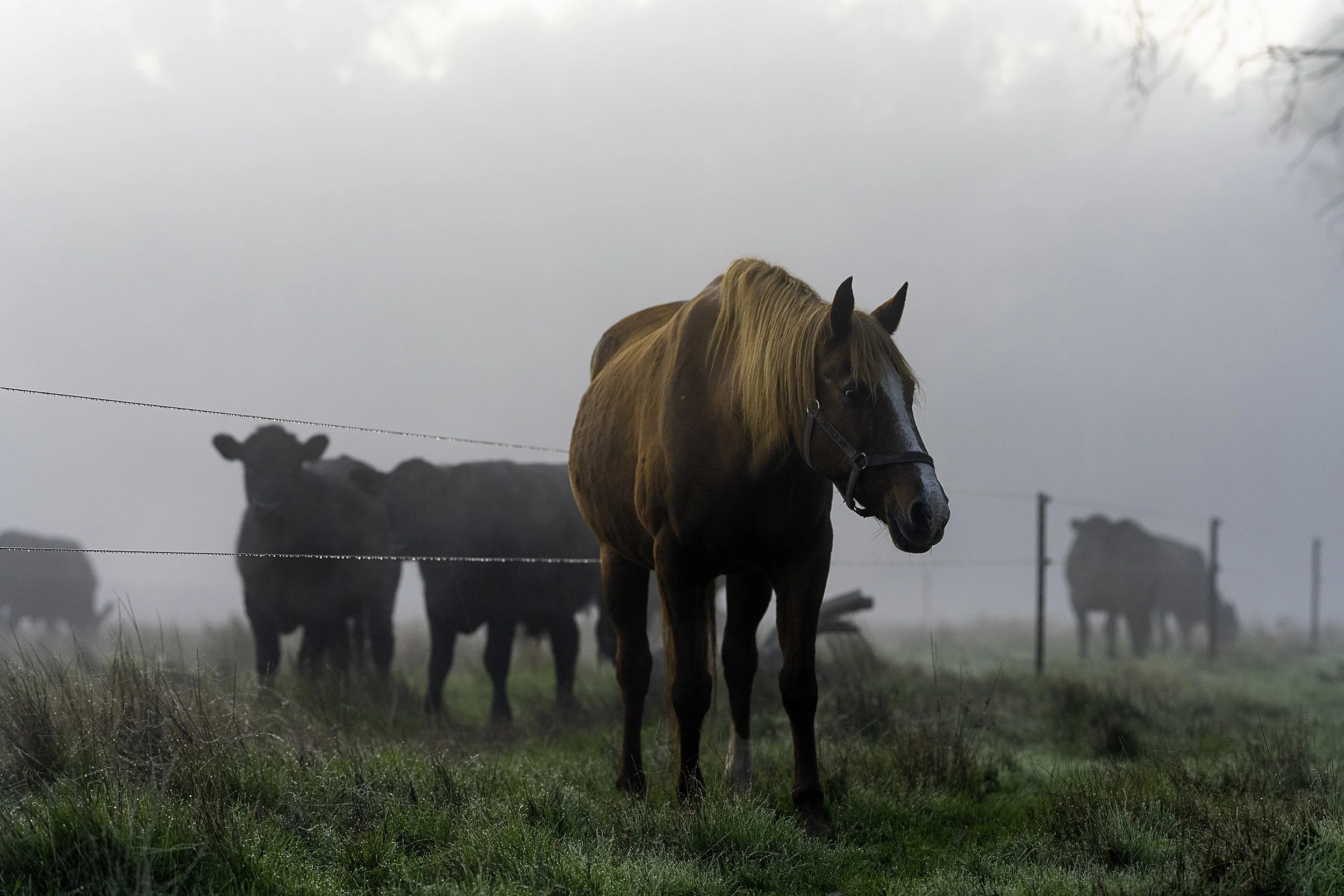
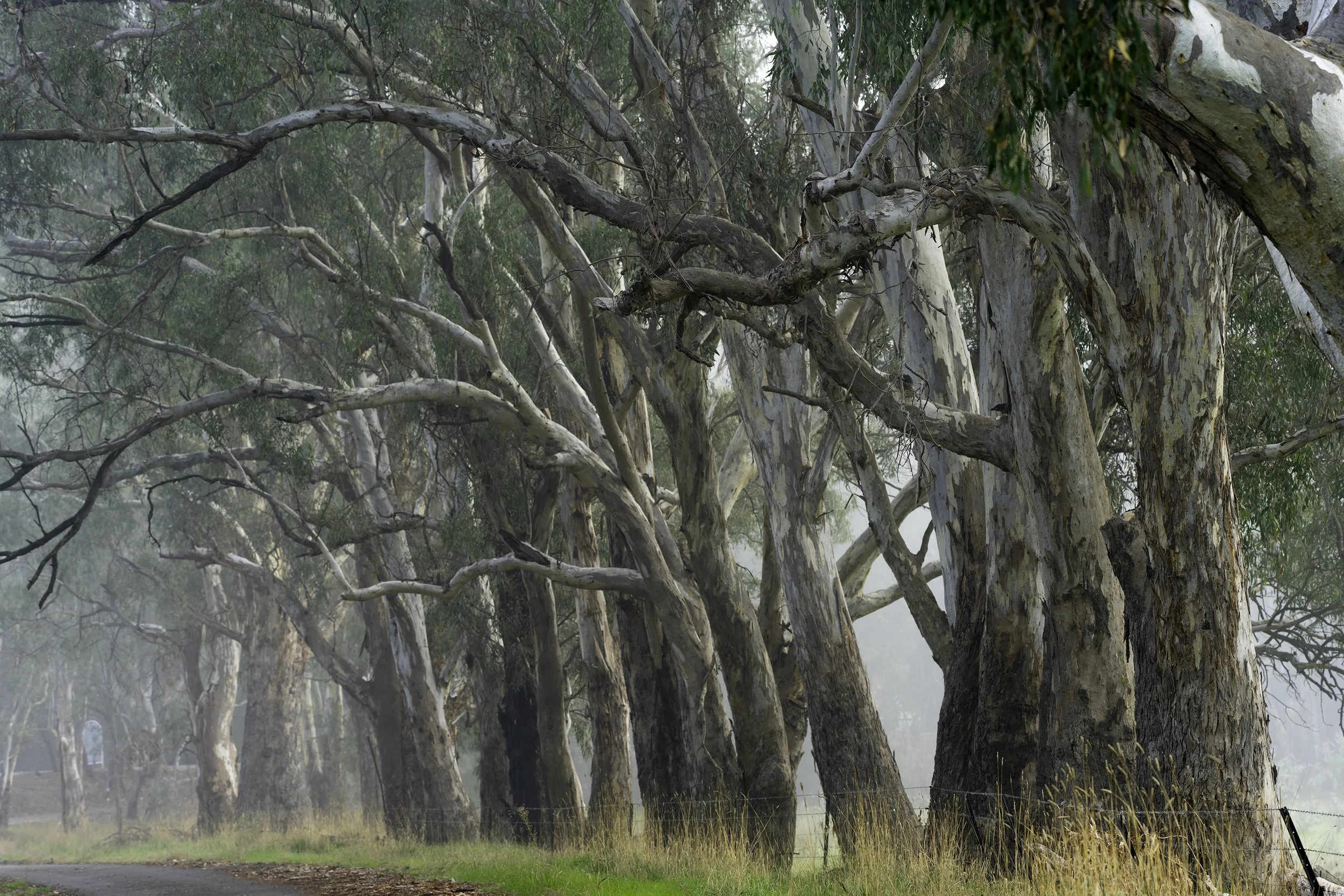
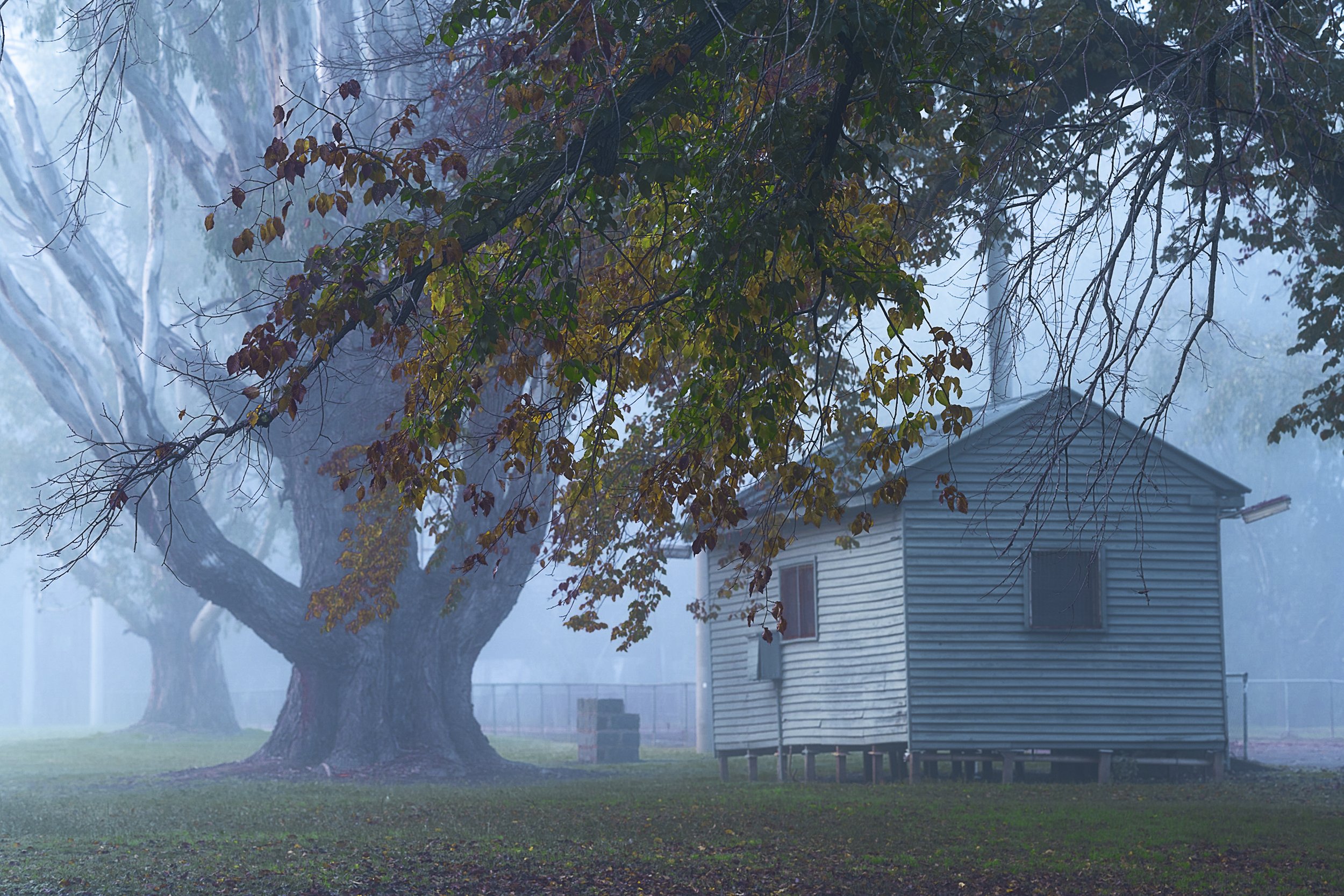
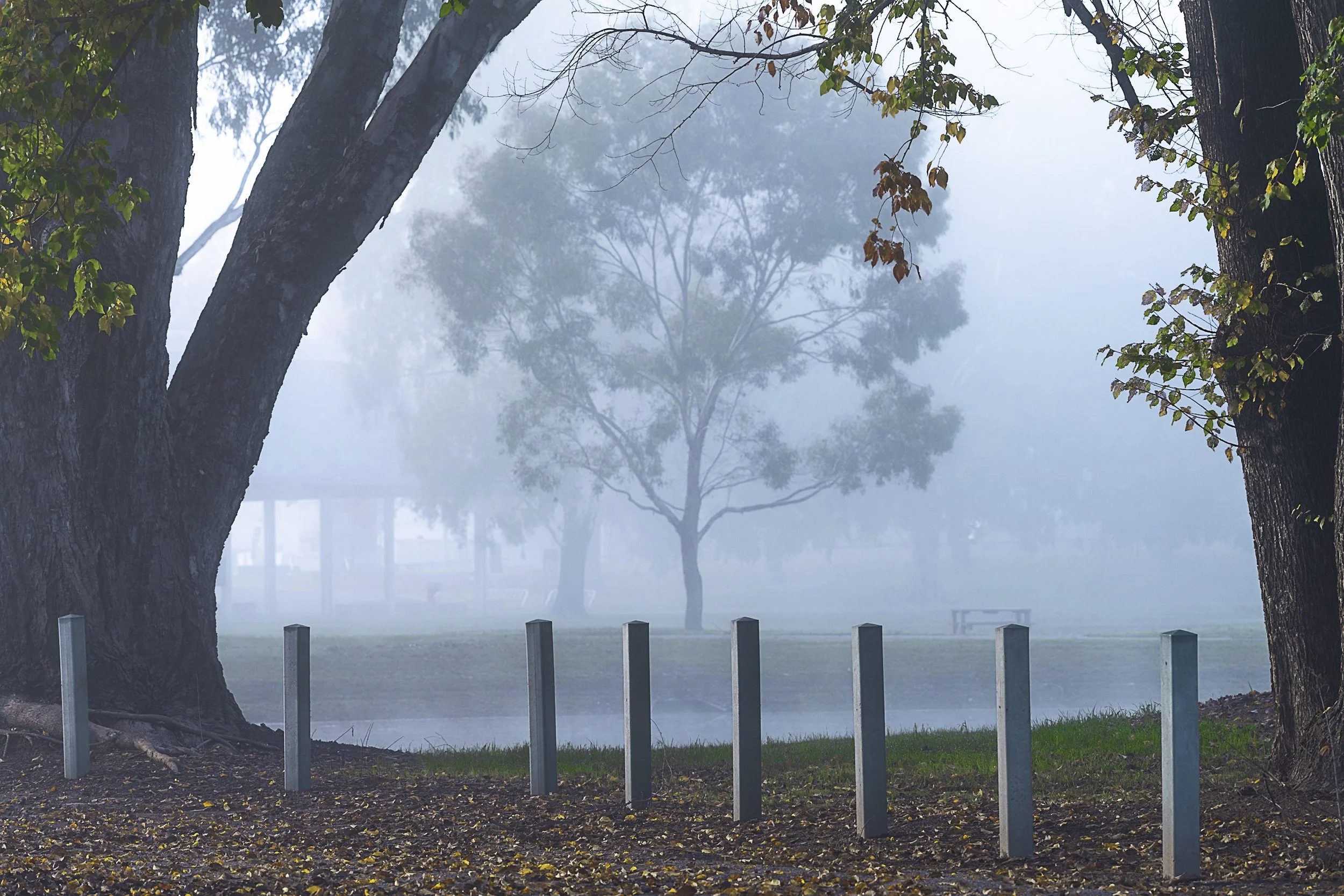
These then are not a visitor’s photographs of Wangaratta; they’re something closer, more real, not so pretty, less polished. This is Wangaratta as I knew it, and as I see it now.